The risks we actually plan for: How to travel smarter on longer trips
In this, the final in the four part series of planning for a big trip, I will focus on the part that we really don’t like to think about. Risk mitigation. (I know, I know, that sounds big and scary, but stick with me here) We’re going to do some planning for impact, not probability.
On a longer trip, we don’t focus on what’s most likely. We focus on what would be hardest to recover from.
A delayed train? Annoying. A rainy day? Inconvenient. A closed museum? Disappointing.
Losing access to your money, documents, or navigation? That’s when things get complicated.
So instead of trying to anticipate everything, we plan for a small number of high-impact scenarios, the ones that could leave us stuck.
The Big Four
Over time, we’ve found there are four risks worth planning for on almost any longer trip:
Health & physical safety
Passport
Wallet
Phone
Health and physical safety
Health issues that pop up when you’re travelling are rarely dramatic. More often, it’s getting sick mid-trip, needing a pharmacy, or dealing with a minor injury. On a longer trip, the likelihood simply increases with time.
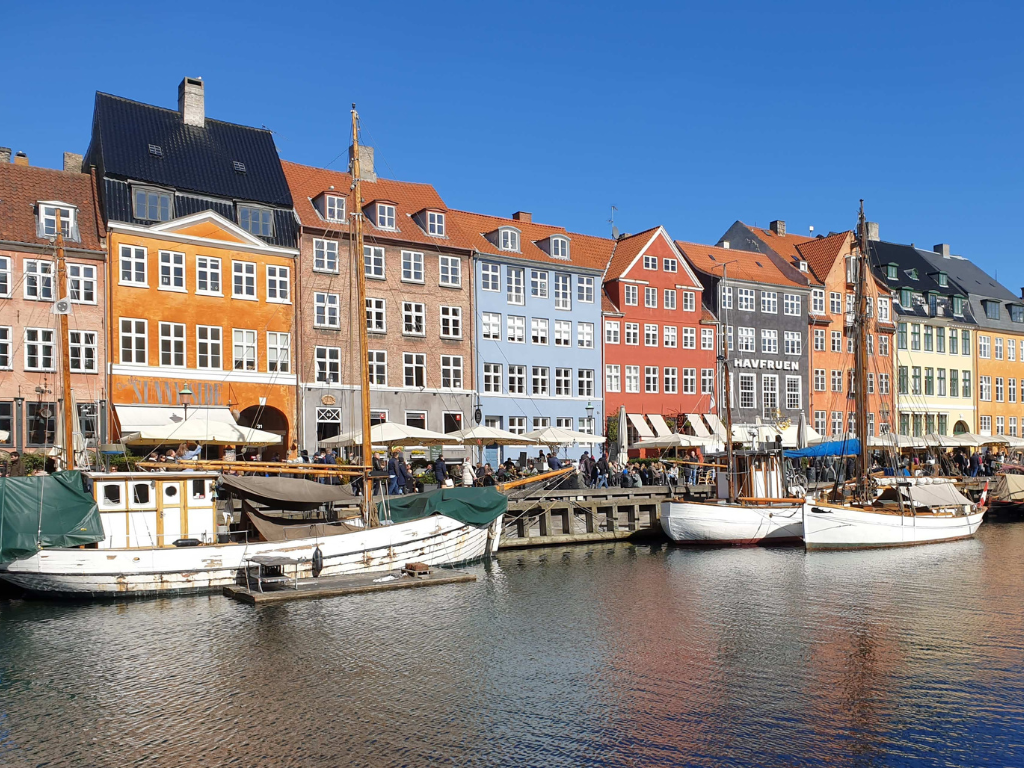
When we were in Copenhagen a few years ago my partner was sitting across from a lady who was was sneezing away with no mask on, on a fully booked train. This resulted in us arriving on the next leg of our journey with my partner having a pretty nasty cold. Sigh. Thankfully the hotel staff were lovely and helped me to find a local chemist and gave me advice on what medicine to get. But if I had brought some cold/flu meds, this could have been avoided and he could have been on the mend much more quickly.
So for most days, health and safety planning for us looks like this:
A small kit of medications we know work
A quick check of how healthcare works in various locations (chemist, local doctors)
Travel insurance we actually understand should things get a little more serious
You don’t need to know everything. Just knowing where to start is enough.
Next let’s touch on physical safety
The world is a big, ever-changing place. A destination that feels stable one week can shift quickly the next. While we can’t predict extreme weather or developing political situations, we can think about how to avoid being caught off guard.
For us, that looks like:
Keeping an eye on official travel advice (like Smartraveller)
Booking accommodation with flexible cancellation
Building a small “oh sh!t fund” into the budget for sudden changes like flights, trains, or a quick change of plans
Understanding what our travel insurance does and doesn’t cover (weather is usually included; political unrest often isn’t)
Being honest about our own risk tolerance
That last one matters more than it seems. Everyone draws the line in a different place. Knowing yours makes decisions easier if things change.

Passport- Not as common to lose or damage, but highly disruptive especially across multiple borders
Planning here is simple:
Keep digital and physical copies (and keep the physical copies separate to you actual passport)
Know where your nearest embassy or consulate is
Avoid carrying your passport day-to-day if you don’t need to
If you want to be extra prepared, bring a passport ready photo, by all reports that’s the hardest thing to wrangle at short notice.
It’s a hassle if it happens. But it’s manageable.
Wallet- More common than you’d think
Cards get lost. Cash disappears. And on a longer trip, you’re using your wallet constantly in unfamiliar conditions.
Planning here is about separation:
Keep a backup card somewhere else
Don’t carry all your cash at once
Know how to freeze or cancel cards quickly
Have a second way to pay
One other tip that I often do in high pick pocket prone areas is carry my main wallet and a separate ‘change purse’. The main wallet contains my ID, my credit cards and my hotel key. I rarely get this one out when I’m out and about. It stays literally locked in my handbag unless I’m inside. My change purse is the thing I get out more frequently. It has a day's worth of cash, my local transport card and sometimes my ATM card. These are the things that have less of an impact on my trip, and would be more of an inconvenience if lost.
One last tip is to, each and every day, put your hand on your wallet and your passport. This tends to be my end of travel day ritual.
The goal isn’t prevention. It’s continuity.
Phone (‘The Big One’) - This is the one we plan for most.
Your phone is your map, tickets, banking, communication, and often your login to everything else. Losing it can feel like losing the entire trip.
This risk came to my mind when we really started planning. I was chatting with a colleague one day and she had just come back from living in China for a year. She was talking about an expat information session she went about how to manage critical information. Attendees were thankful to have the briefing, but what everyone really wanted to know was what to do if something happened to their mobile phone, as that was the real critical piece of personal infrastructure.
She wasn’t wrong.
For us, for this big trip, planning for this looks like:
Backing everything up to the cloud like photos, etc
Having access to passwords on another device
Knowing how to log in without needing an SMS (for those 2-factor authentication needs)
Being able to remotely lock and/or wipe the phone
Making sure ‘find my phone’ is on
Recording the phone’s IMEI number. If your phone is stolen, reporting the IMEI to your carrier allows them to block it from connecting to any network.
It sounds like a lot, but once it’s set up, it disappears into the background. Until you need it.
Luggage: some bonus tips around lost or delayed luggage
I had a colleague once tell me that went to Europe a few years ago and when she arrived she found that she did not have any luggage and it would be about a day before the airline could get it to her. The problem was that she was boarding a 7 night river cruise that afternoon. Oops. Her cruise mates got really used to seeing her one outfit over and over and over. It was fine in the end, more of an inconvenience really.
If you’re NOT one of those ‘carry-on only’ travellers, or you’re taking a longer trip like us going across multiple weather conditions, it’s prudent to take a few steps just in case.
Here are a few tips we do to help mitigate if lost/delayed luggage:
When travelling together, we swap a full outfit in each others’ checked luggage, and we also keep one outfit in our carry on
Obviously we are using Air Tags to track our luggage
We ensure our luggage is covered with our travel insurance and have a full packing list, should we need to make a claim
When we go on a cruise NOT in our home port, we arrive at least one day before embarkation, so we aren't like my friend who ended up needing to wear the same outfit for 7 days.
We always take a photo of our luggage just in case we need to describe it to staff, especially in a language we don’t speak. We do this at both airports and cruise ships
We are also mindful of putting a luggage tag with too much visible personal information. We have tags that have our names on the outside, but you need to completely detach the tag from the bag to see the more personal information on the inside.
The ‘to do’ list before you go
Before you head out on your next trip, here is the list of 8 important actions to take to make sure you’ve covered:
Check what you’re walking into (Look at a sites like Smartraveller for current advice)
Have copies of your passport (both digital + physical)
Check your travel insurance details you, and know how to access support
Have backup payment method(s) stored separately to your primary wallet
Set up access to key accounts without relying on your phone
Set up cloud backups enabled for important data (should your phone disappear, you can still access the things that matter from another device)
Have your emergency contacts saved somewhere other than your primary device, we usually have a secure USB in our luggage for this kind of thing
A rough idea of how to get help (medical & consular) in each country
You don’t need a binder. Just enough to not get yourself unstuck.
Final thoughts
This final step in planning a big trip is about making the whole plan more resilient, mitigating those single points of failure. Because planning isn’t about controlling everything, it’s about knowing that if something does go wrong, you won’t be stuck.
I hope you’ve enjoyed this series. If you found it helpful, please reach out here or on our socials.