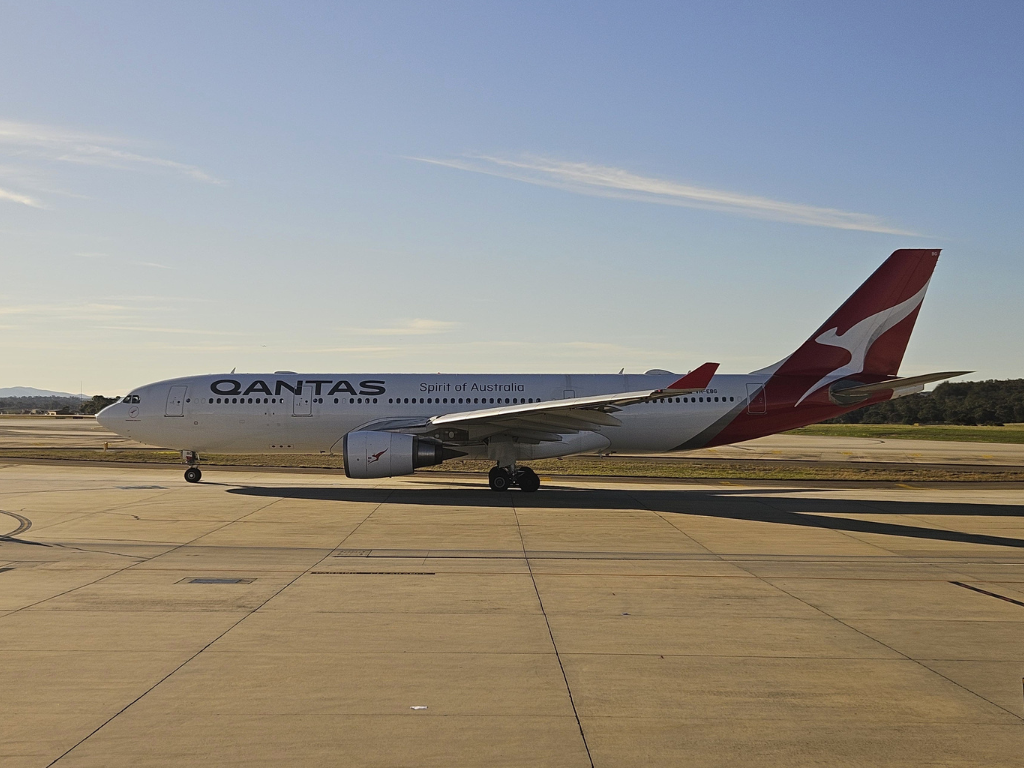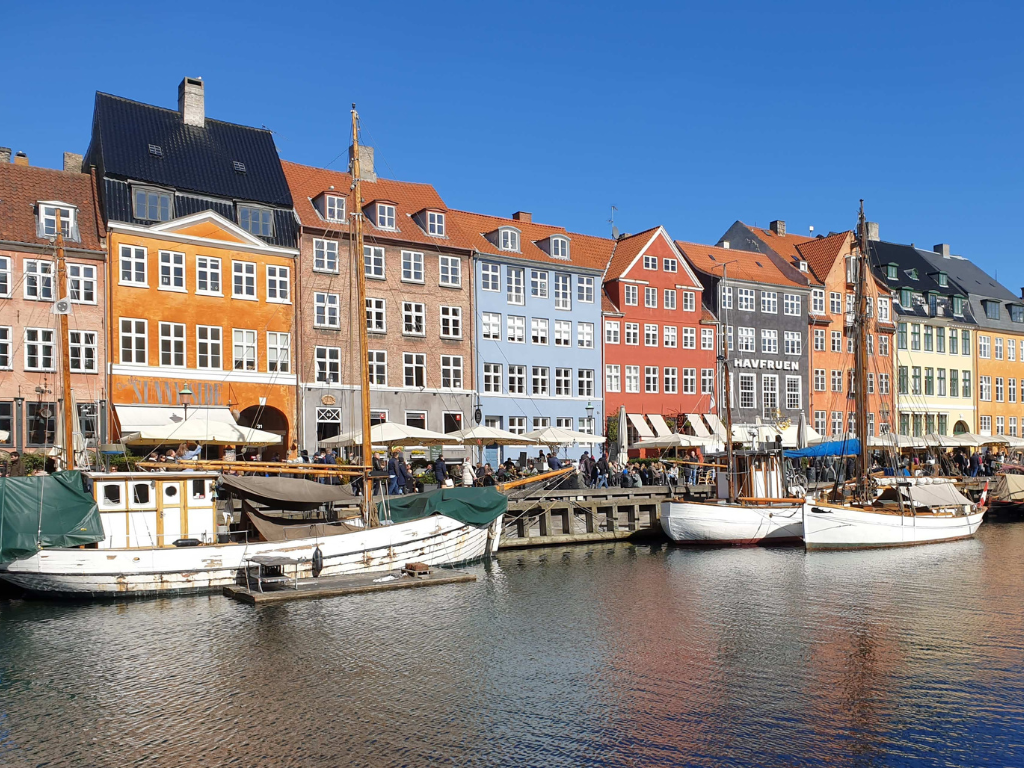
We may have mentioned once or twice that we’re heading off on a multi-month trip in 2026. We’ll quite literally be circumnavigating the world. In the lead-up, I’m pulling together a short series of posts about how we’re preparing for what is, frankly, a logistical and financial behemoth of a trip.
This isn’t a “perfect itinerary” series. It’s about the thinking behind the planning. The things we’ve learned the hard way, and the choices we’re making differently this time.
Part 1: Planning for Energy, Not Just Time
I’ve travelled long enough to know that you can absolutely over-schedule yourself into exhaustion. Even with the best travel partners, nerves get frayed. Tempers shorten. And some of my happiest travel memories didn’t come from ticking boxes, but from slowing down: lingering over a meal, chatting with strangers, or wandering into a tiny museum that never made it into a guidebook.
As we started planning this trip, one decision came early and shaped everything else. We would plan not just ticking destinations off the list, but for baking in rest times.
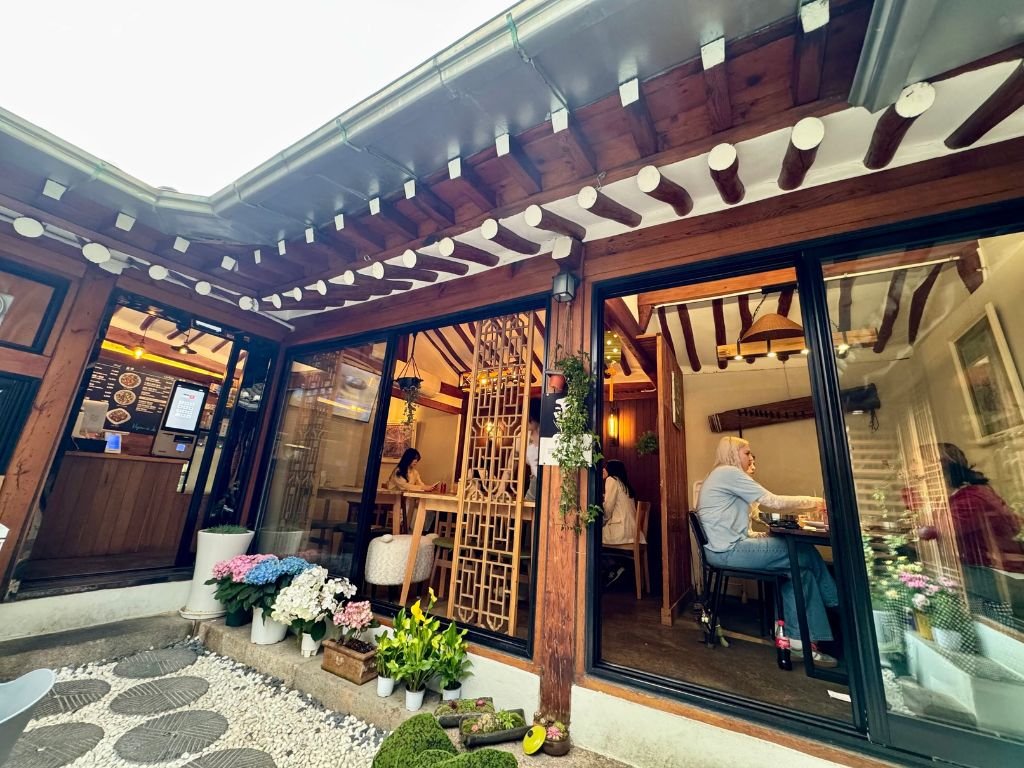
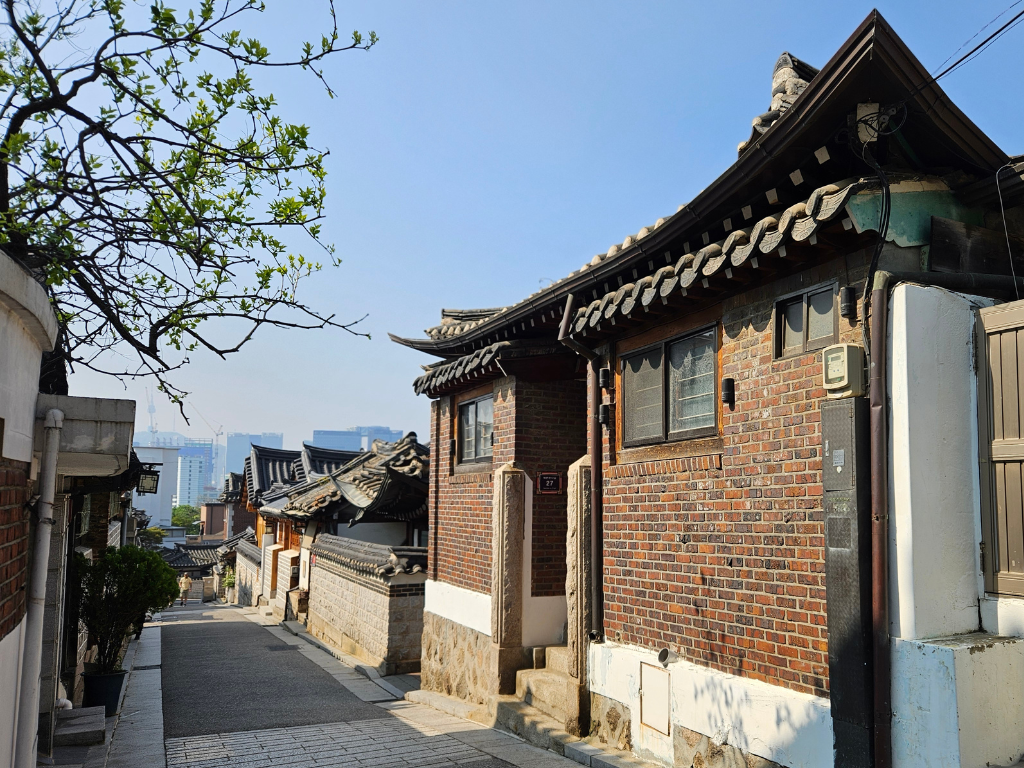
Slowing down for a peaceful lunch in Insadon (Seoul, South Korea)
Saving energy (on purpose)
Here are five ways we’re deliberately protecting our physical and mental energy on this trip, prioritising health over efficiency.
Museum overload is a real thing
I love museums. I could happily spend an entire day inside one. But after three museums a day for a week straight, they all start to blur together. This phenomena, official called ‘museum fatigue’ was first described way back in 1916. Here are a few suggestions on ways to skip the overload, but one of the best ways is to just be selective about how much time you spend in museums. This time, we’re prioritising what we genuinely want to see and limiting ourselves to one or two a day, leaving space for everything that happens in between.Laundry days are built-in recovery days
Laundry isn’t just about packing lighter. It’s a planning tool. On this trip, we’ve made sure we never go more than two weeks without a laundry stop. Many of those places have in-room laundry, which usually translates to takeaway dinners, catching up on YouTube, and letting both our brains and feet recover for a night.Eating in is sometimes about rest, not money
Cooking or assembling a simple meal “at home” (where home base is your hotel room) serves the same purpose. Yes, it saves money. But it also means sleeping in, staying close to your base, and not having to make a single decision about where to eat. On a long trip, that kind of mental rest matters more than you expect. We often get ourselves breakfast fixings (yogurt, local pastries, fruit) so we can both be getting ready for the day. We are early risers and as many things don’t open until after 10, we often use the morning to relax, recharge and reconnect.Where you stay affects how you feel
On our last Europe trip, we often booked accommodation right in the city centre to make transport easier. Sometimes that worked beautifully. Other times, it didn’t. If you’ve ever walked around Amsterdam Centraal, you’ll know exactly what I mean. From where we stayed, we could see the station from our hotel room, and the constant crowds slowly drained our energy. Upon reflection, we probably could have stayed someone nearby and quiet like Weesp. So this time, with a bit more research, we’re choosing to stay slightly further out. Still well-connected by public transportation, but away from the densest crowds. For us, that trade-off feels worth it.The mental load needs to be shared
One lesson we’ve learned the slow way is that when you’re travelling with someone else, the load needs to be shared. And not just the literal backpacks. Planning, navigating, booking, researching, deciding where to eat, deciding not to do something… all of that takes energy.If one person carries most of that mental load, it shows up eventually as fatigue or frustration. For this trip, we’re being much more intentional about splitting responsibilities and rotating decision-making. Sometimes, if one person needs a quiet morning while the other pops out to grab tea and a pastry from the local café that is 100% fine. You need to be honest about where you are mentally and physically with your travel mate, no sense in powering through and burning out.
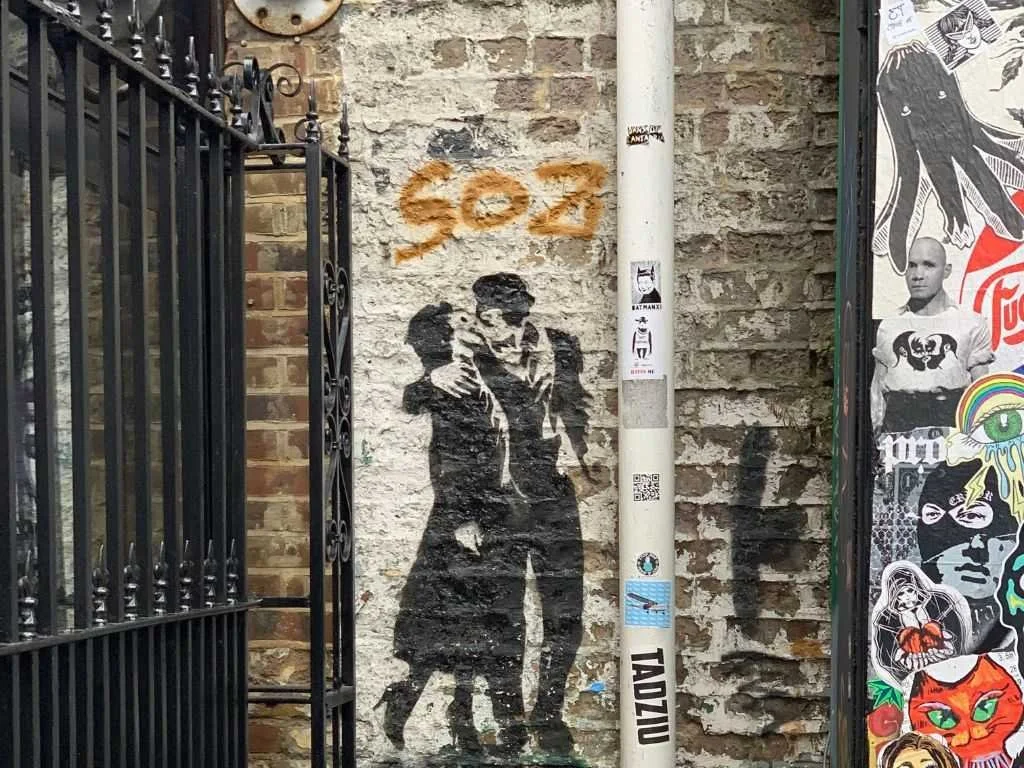
Street art in Shoreditch (London, UK)
Final thoughts
We all want to pack as much in as possible when we’ve spent so much money getting to a dream destination. But most of us don’t work seven days a week for months on end, and travel, especially long-term travel, can quietly start to feel like work if you let it.
Rest and prioritising your mental health aren’t a failure of ambition. They’re what make the balance of the trip more enjoyable.
On a long trip, the most important resource isn’t hours or money. It’s energy.
What’s next
Once you start planning around energy instead of squeezing every hour dry, the next question naturally follows: where should you actually base yourself, and why?
In Part 2, I’ll dig into why we now start with maps before hotels, how geography quietly dictates everything from transit time to daily energy, and why beginning with constraints instead of dream destinations has made this trip feel far more achievable.