On a big trip, the instinct is to start booking the exciting things first. It feels productive. It gives us that little endorphin hit and a sense of momentum. And yes, those things are important. But once they’re locked in, everything else has to bend around them.
In part 3 of this series, we’ll look at a way to think about when to book specific aspects of a longer trip and why it can save you a lot of hassle down the track.
On a shorter trip, that’s manageable. On a longer journey, those early bookings can become golden handcuffs, something that looked great at the time but becomes awkward (and expensive) to restructure later. When we went to Gibbs Farm in New Zealand, which can be some of the hardest tickets to get, we booked those way before we had even booked the flights from Sydney, but that ended up being a week-long trip and was easy to frame the trip around.
As we’ve been planning a multi-country, multi-month trip (I’ve coined the term “gap quarter”, you can thank me later), we’ve learned a lot about what to book when, and why.

Starfield Library - Seoul South Korea
4 step booking framework
1) Anchor points
Start with the least flexible things first: your non-negotiables. Long-haul flights (especially if you’re using points), cruises with specific sailing dates, festival tickets, family events, and other fixed-date experiences. The logic is simple, these have limited dates, and they sell out. Booking them later can blow the budget or force unwanted changes. These are your anchor points.
They form the spine of your trip.
2) Major internal movements
Once you have your arrival and departure sorted, it’s time to fill in what happens in between. Intercity trains and buses. Internal flights. Ferries. (If you haven’t read it, see my post about Booking Days Before Nights.) These movements determine how your days flow. Get them right, and everything else feels calmer. You know you have time for one more breakfast in Paris before you need to get on the Eurostar to London. No rushing, just a relaxed farewell.
One thing many people don’t realise is that in some countries, when you book a train ticket, you secure the journey but not necessarily a specific seat. On longer travel days — especially in places you’ve never been — knowing you have both the ticket and the seat reserved can take a surprising weight off your shoulders.
3) Accommodation (especially in high-demand areas)
Accommodation comes after you know what you want to get out of a location, where your clusters are (for us, that’s vegetarian restaurants, craft beer bars, libraries — the usual suspects), how you’re arriving and leaving.
On longer, multi-location trips, the arrival and departure logistics matter more than you think.
We love travelling around Europe by train. Being able to find a place within easy walking distance of the station means we’re not dragging luggage across cobblestones for half an hour at the end of a long day.
Location isn’t just about attractions. It’s about transitions.
4) Everything else
Now you fill in the rest, museum tickets, restaurants, a local cat café, that days, rental cars. These are things you want to include but usually have multiple options.
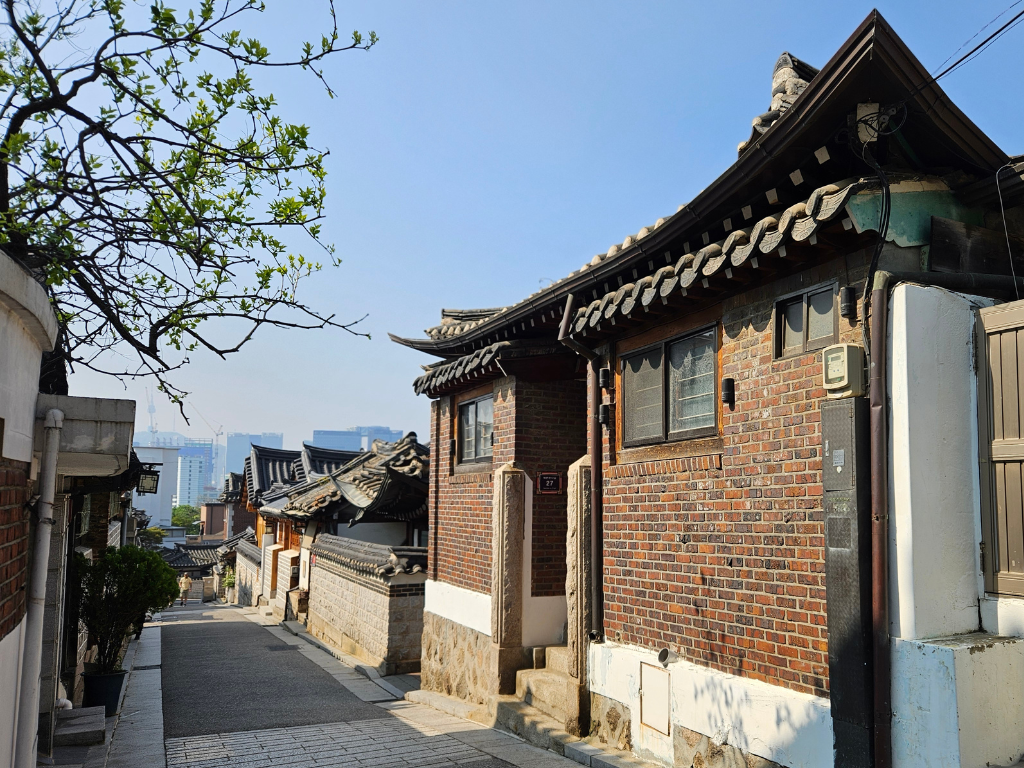
On our trip to Seoul, we knew we wanted to both see a baseball game and visit the DMZ. The baseball schedule was more limited in terms of dates and times, so we shaped our plans around that first (even though we couldn’t fully book in advance). Once we knew those windows, we booked the DMZ tour around them. Not everything is equal in flexibility. Treat it that way.
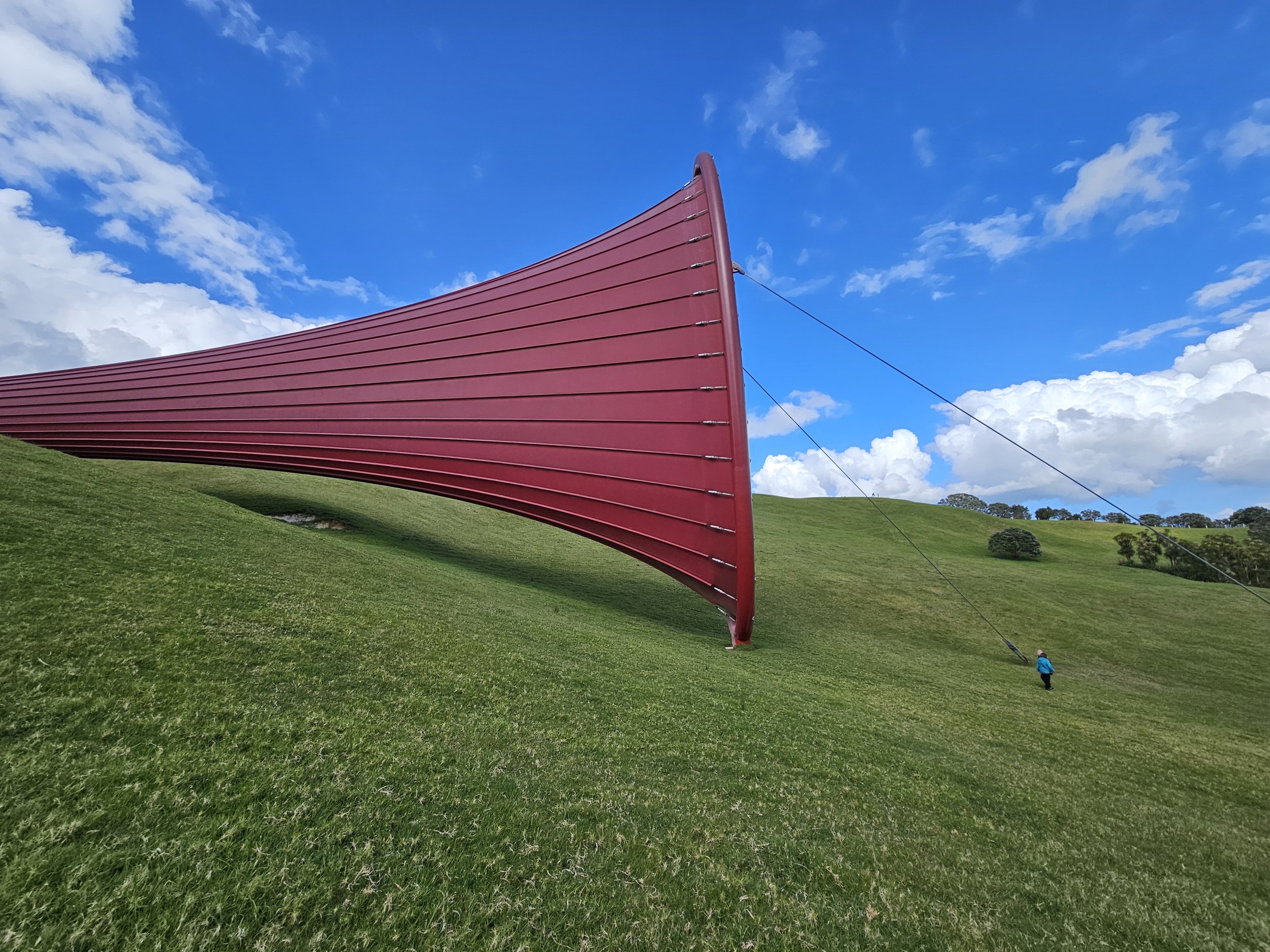
Gibbs Farm in Auckland, New Zealand - Anish Kapoor Dismemberment, Site 1 2009
The ‘Bucket List’ problem
This is where things get tricky.
We often rush to lock in bucket list items because we hear that little voice: What if it sells out? What if prices rise? What if this is my only chance?
There’s nothing wrong with that voice. It’s trying to protect something meaningful. But it’s also the part of us that equates urgency with importance. But it can push us into quick decisions without fully considering the ripple effects. Pause for a moment. Ask yourself: is this something I truly want to shape the trip around, or is it just something I’m afraid of missing?
Yes, you may never get back to Florence or Tokyo or Auckland. Yes, that Broadway show might jump in price. Those are real possibilities. But booking something immediately has consequences too. It sets the tempo. It locks dates. It shortens other stays. It can quietly crowd out slower, unplanned experiences.
If Oktoberfest in Munich means cutting short your time elsewhere, are you comfortable with that trade-off? Is your travel partner?
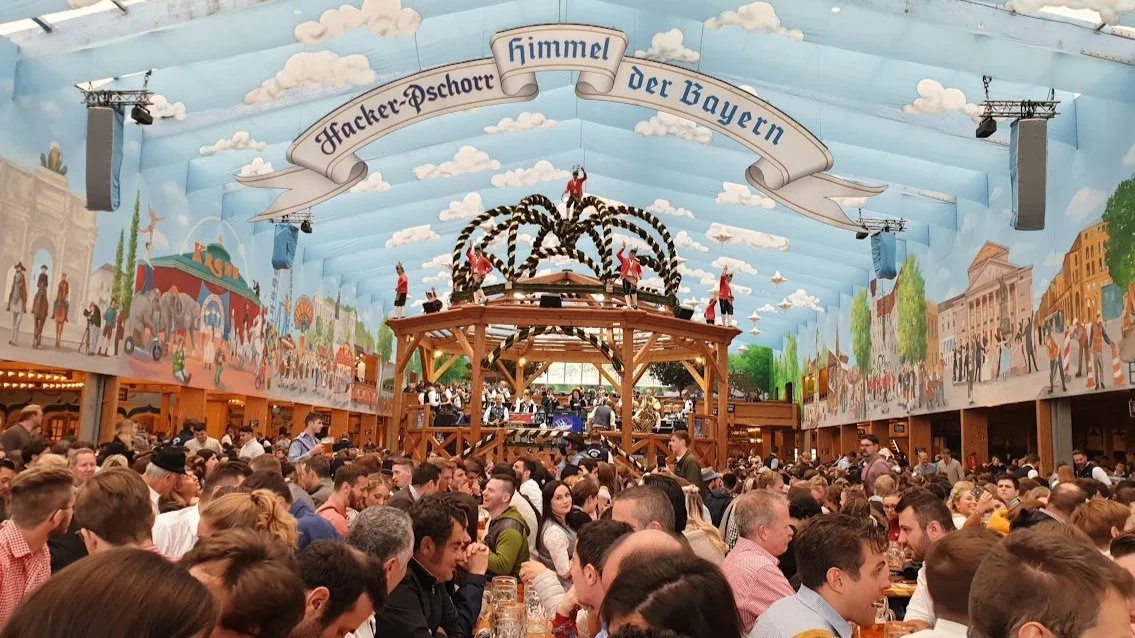
Oktoberfest - Munich, Germany
The long trip paradox
Longer trips feel like freedom. A week here, two weeks there — what luxury, right? You get to settle into the rhythm of a city. You find the local barista who starts to recognise your order. It begins to feel familiar.
But you’re not there forever. At some point, you still have to pack everything up and move on. More time in a place can lull you into thinking, We’ve got time. We’ll figure it out when we get there.
And sometimes that works. But often, it doesn’t.
On the trip we’re planning right now, we chose a couple of locations because of their proximity to great day trips. We’ll be in Barcelona this summer and realised how close it is to the micronation of Andorra. It’s tempting. But that side trip takes more than ten hours door to door. That’s one full day of our Barcelona time gone. We’re okay with that trade-off. But it’s still a trade-off.
Longer trips don’t remove constraints — they multiply them. Museums close on Mondays. Craft breweries don’t open until late afternoon. Tours sell out. Weather shifts. Energy dips.
The freedom of a longer trip still benefits from structure.

Tuxedo kitty - Heraklion, Greece
Closing thoughts
Booking order doesn’t make a trip perfect. It makes it manageable.
When you anchor the least flexible pieces first and let everything else form around them, you protect your time, your energy, and your budget. On a longer, multi-location trip, that sequencing is what keeps excitement from turning into logistics fatigue.
In Part 1, we looked at managing energy for a marathon trip. In Part 2, we shaped it geographically. This part is about committing in the right order, so the structure supports the experience you actually want.
In the final post in this series, we’ll look at managing risk on longer trips, because even the best plans need room to absorb the unexpected.