Beer trends we’re watching in 2026 for Australia and New Zealand
2025 has been a hell of a year in the craft beer scene. We lost Fox Friday, White Bay closed their Balmain site, the cozy Wayward taproom in Camperdown shut, and SA’s Big Shed Brewing was forced to close its Royal Park brewpub.
But it wasn’t all doom. Mountain Culture opened new locations, the Inner West Ale Trail installed signage to promote local beer tourism, and Melbourne’s Carwyn Cellars was crowned Best Beer Retailer at the Beer & Brewer Awards — a tidy win after returning to its original owners this year.
Aside from the openings and closures, and with the last pints of 2025 settling, what does 2026 hold? A surprising amount of optimism. Here are the trends we’re excited to watch as the next year pours in.
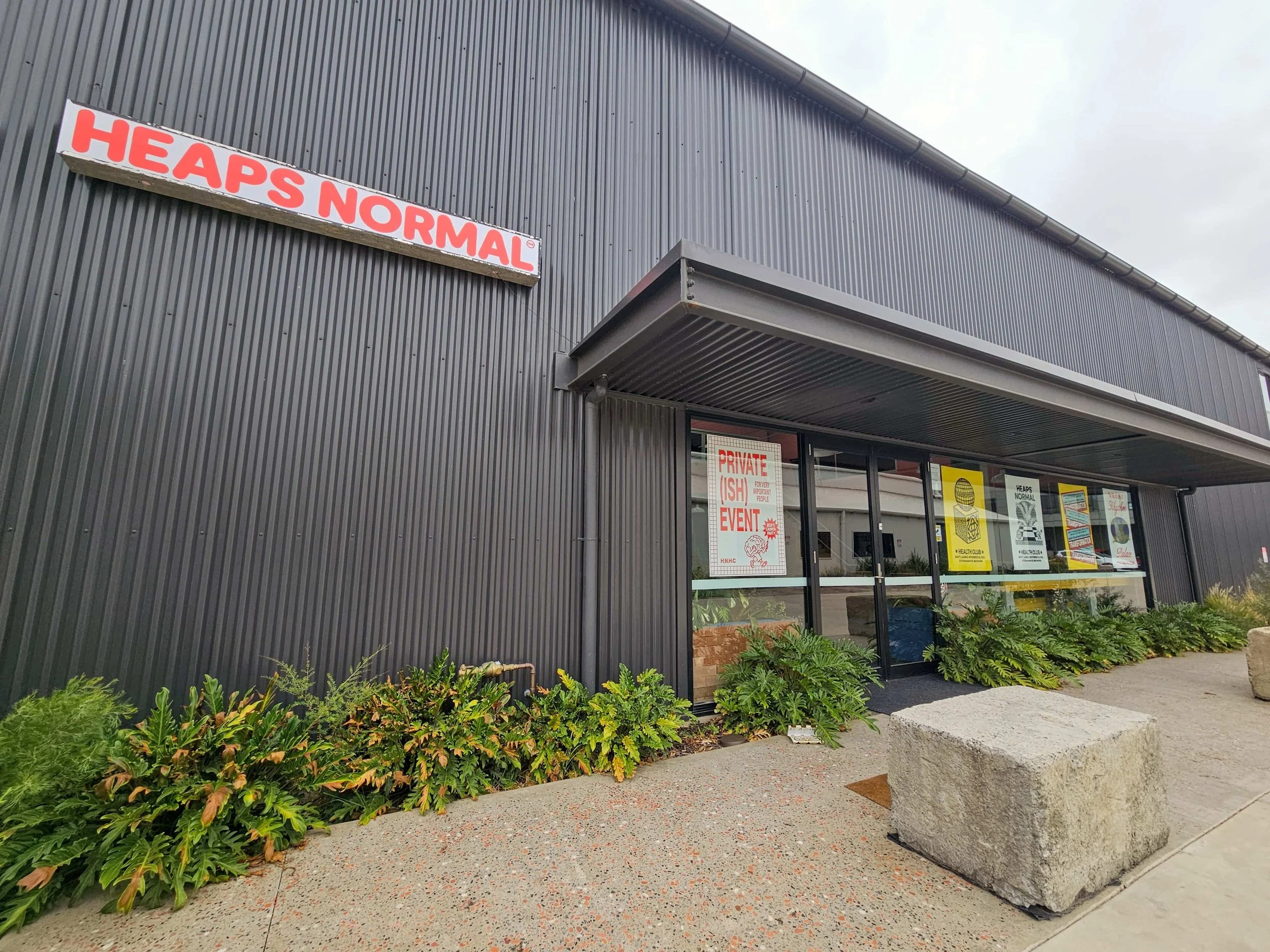
The brand new Heaps Normal location on Brompton St in Marrickville, NSW
Low, mid-strength & No-/low-alc beers keep expanding
The moderation movement isn’t slowing down. Younger drinkers are increasingly choosing beers they can enjoy without sacrificing the rest of the day’s plans. Industry outlooks show low- and no-alcohol beers continuing to grow, even as the early explosion starts to level out. Breweries are also treating these beers as genuine craft expressions rather than “alternatives.” Here in Sydney, Heaps Normal(Vic) is now common at many pubs and restaurants.
Low and no-alcohol beers to try:
Mornington Peninsula Brewery(Vic) released Morning Free, a no-alcohol pale ale (<0.5% ABV) brewed to taste like a real pale, not a fizzy stand-in.
TWØBAYS Brewing Co.(Vic) leaned into inclusivity with Pulp Fusion, a 3.5% gluten-free sour loaded with passionfruit.
Bridge Road Brewers(Vic) picked up the 2025 AIBA Best Non-Alcohol Beer award with Free Time Raspberry Sour.
Many breweries are also reporting steady demand for mid-strength options.
In 2026, we’re hoping to see more from smaller, craft breweries to lean into this trend. We’re hoping for more experimentation and variety on the shelves like the ones above. Nice to have more low-alc options rather than just a lagers and hazys.
Garage Project’s Wild Workshop in Wellington, NZ
Native ingredients & flavours step forward
Australian brewers are embracing terroir and leaning into beers that taste unmistakably local: regional produce, wild botanicals, and hyperlocal grain. It’s part sustainability, part Indigenous collaboration, and part desire to carve out truly Australian beer identities.
Breweries already showing the way:
Spinifex Brewing Co. (WA), working with Ā Little Wild Australia, is incorporating sustainably harvested botanicals like pepperberry, bush herbs, and wildflowers.
Wildflower Brewing and Blending (NSW) continue to lead with native Australian ingredients, built around wild yeasts foraged from NSW flowers.
The Lemon Aspen Sour Pale is a unique Australian craft beer by Three Tails Brewery (NSW) in collaboration with Indigiearth (Mudgee), features native Lemon Aspen fruit for a sharp, tart, citrusy flavour with hints of grapefruit, eucalyptus, brewed with wild yeast and local malt for an all-NSW taste celebrating.
If 2024–25 were years of experimentation, 2026 is shaping up to be the year native ingredients go mainstream inside brewery lineups. Local ingredients are what make Australia unique and the can make industry stand out.
Grifter’s BOG or Big Orange Goblin in Marrickville, NSW
Sustainability as a standard
Environmental responsibility is shifting from bonus feature to baseline expectation in Australian craft brewing. Breweries are investing in grain silos to reduce packaging waste and cut transport emissions, and new research — such as the WA Government’s project turning spent grain and yeast into valuable food ingredients — is opening fresh pathways for circular brewing.
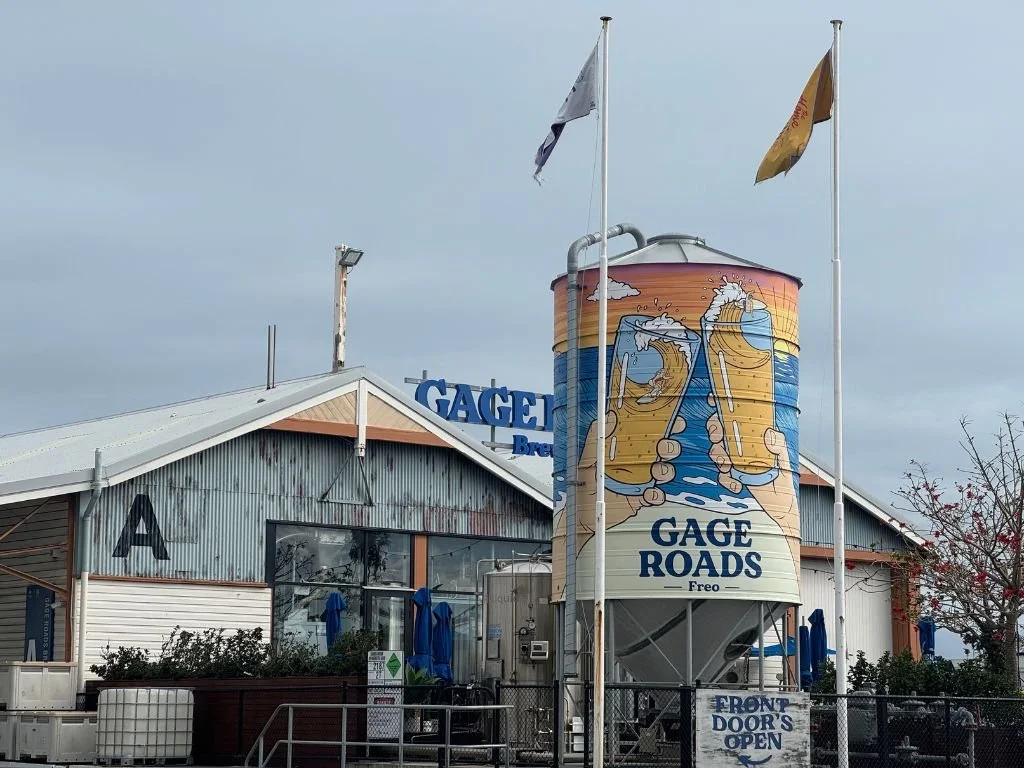
Some breweries are also rethinking supply chains from the ground up. For example, Grifter Brewing in Marrickville installed a 30-tonne grain silo (“The Big Orange Goblin”), replacing countless plastic malt bags, reducing transport trips, and shortening their carbon miles thanks to closer-to-home malting partners.
Also leading the way at Wellington craft brew darlings Garage Project(NZ). Rather than letting hop-and-yeast sludge go to waste (or worse, down the drain), Garage Project built a dedicated “sludge tank” setup to capture hop/yeast byproducts from fermentation.
That sludge, rich in organic hop matter, gets composted instead of dumped into land fill, diverting over 60 tonnes of organic waste per year and cutting more than five tonnes of CO₂ emissions. (FYI: 60 tonnes equates to about the weight of 10 large adult elephants!) Garage Project even brewed a special “Sludgefest” IPA: hops from multiple past dry-hops (often discarded) were recycled into a new beer, milking extra life — both flavour and resource — out of ingredients before composting.
Sustainability is no longer a marketing angle; it’s a competitive must-have for today’s consumers. The way breweries have been refining their workflows and building smart partnerships in recent years is set to produce even more visible, genuinely impactful results in 2026. It’s a shift that feels like a net positive for the whole scene, and one I’m more than happy to cheer on.
The Guinness effect: Young drinkers rediscover dark beer
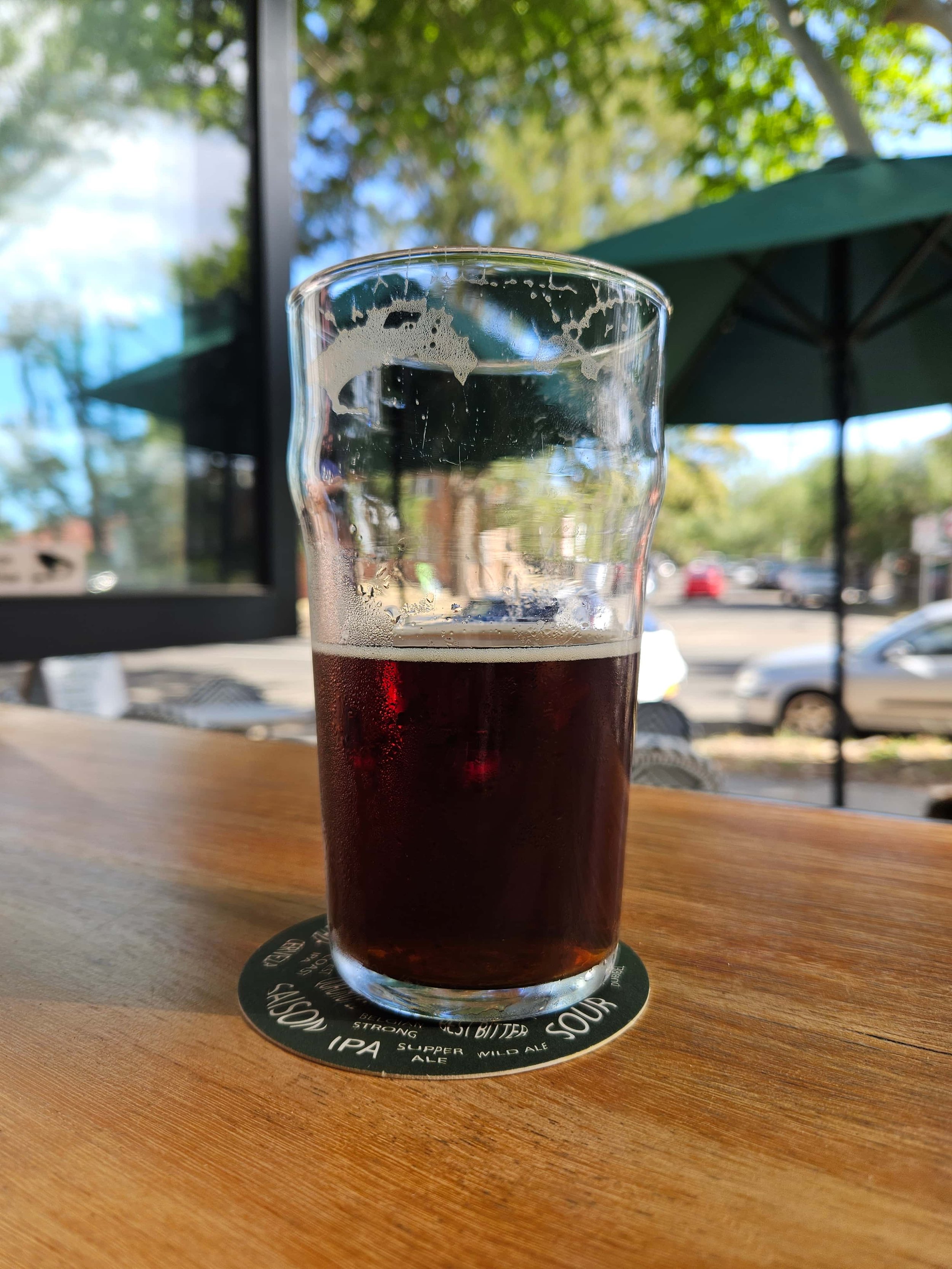
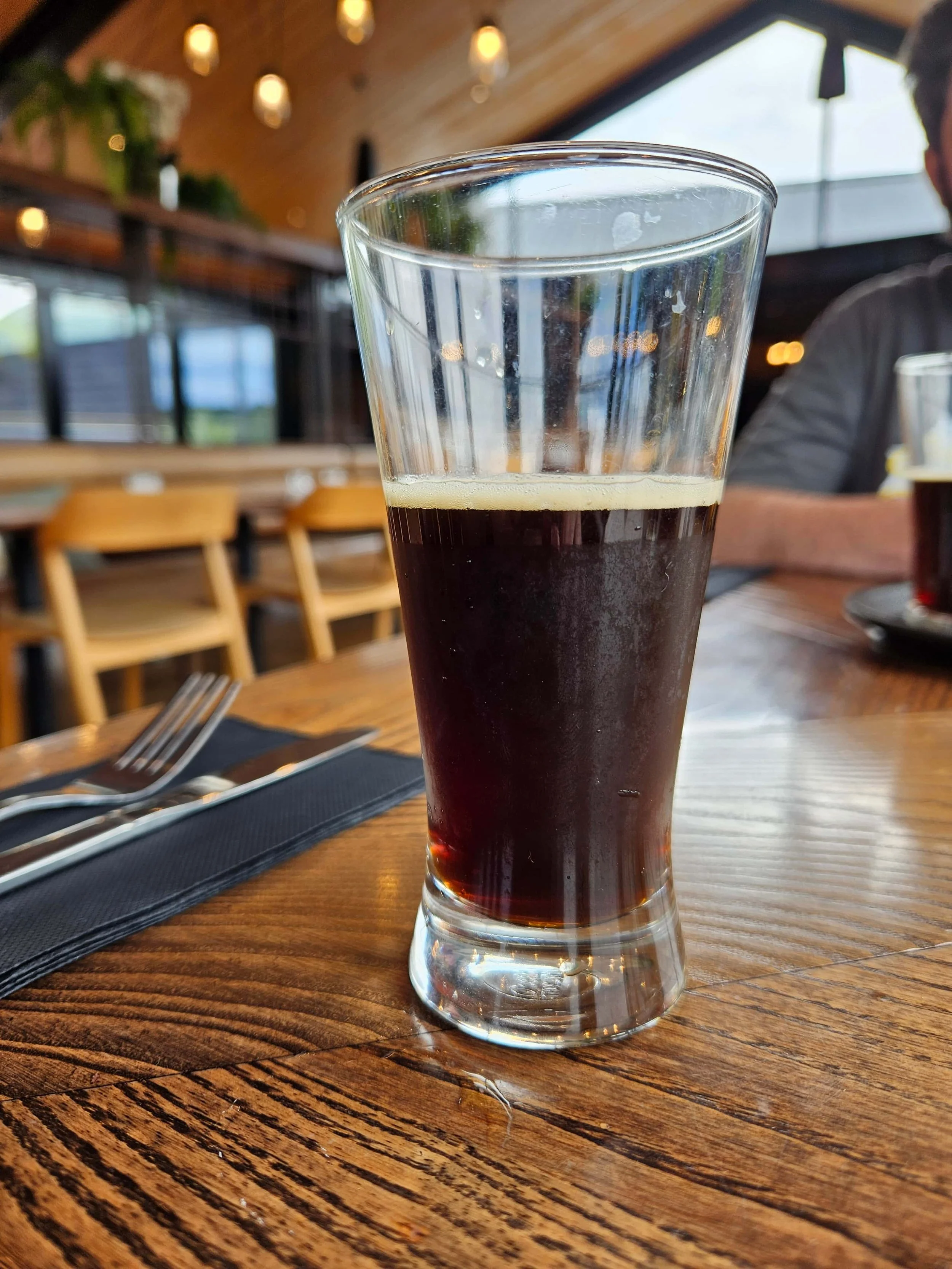
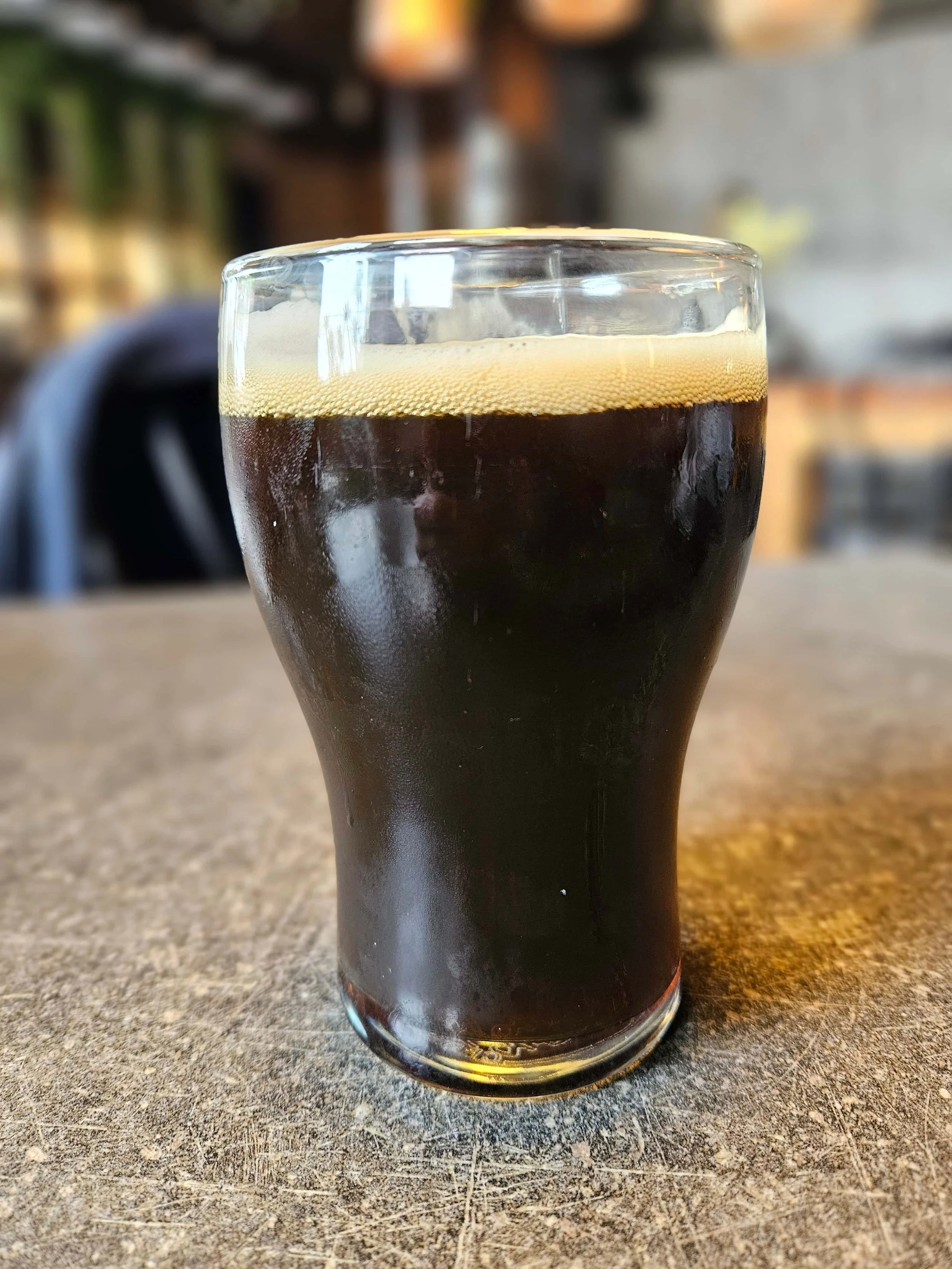
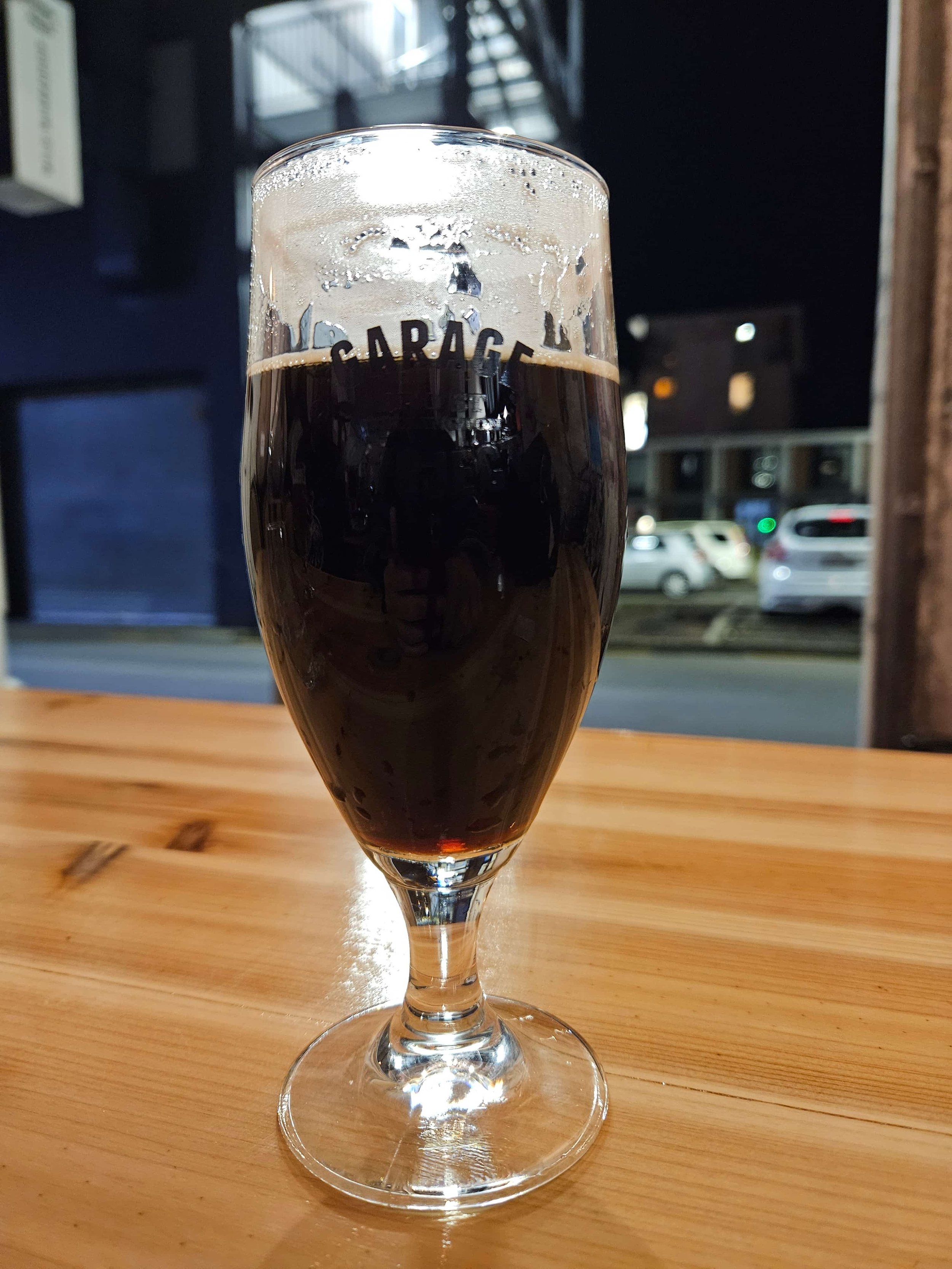
One of 2025’s strangest and most delightful twists has been the Guinness boom. Sales surged among 19–25-year-olds in Australia, with the category jumping 47% overall and a massive 70% among young women. Beneath the headline is a bigger cultural shift: younger drinkers embracing “heritage cool,” flavour-dense pints, and the ritual of a poured beer.
This has real implications for the craft world. If Gen Z can fall for the creamy, roasty comfort of Guinness, they’re primed to explore local stouts, porters, dark lagers, and malt-forward beers.
A telling sign? Wedgetail Brewing (WA) won Champion Australian Beer at the 2025 Melbourne Royal Australian International Beer Awards (AIBAs), taking the top prize with their traditional-style Dark Lager, also winning Champion Australian Independent Beer and Best Amber/Dark Lager in a huge win for the small regional brewery - exactly the sort of style a Guinness-loving newcomer might graduate to.
We would love to see more experimentation in the dark side. Stouts, porters, dunkelweizens and maybe even some black IPAs.
Conclusion: A year brewing with possibility
If 2025 was a roller coaster, 2026 feels more like the moment you settle into a pub booth, glance at the tap list, and realise the good stuff is still flowing.
Breweries are experimenting locally. Drinkers are exploring dark beers. Sustainability is becoming expected rather than exceptional. And the cultural conversation around beer is broadening in ways that make the whole scene more interesting and more inclusive.
In other words: 2026 is looking like a very nerdy, very promising year for Australian and New Zealand craft beer.