

Mechelen day trip from Brussels: Flemish masters, Belgian beer and local legends
A day to Mechelen came about because of two things on this trip: some unexpected free time in Brussels and my very specific criteria. I wanted somewhere we could reach easily by public transport, lots of art, a very local beer, and preferably everything within walking distance in case the weather turned ugly. Oh, and if there was some history, bonus points all around.
So I did what I normally do when things like this arise (and what you might be doing right now): sit on a hotel bed with my laptop and a cup of tea, searching for nearby destinations and pinning interesting stops into a Google Map, trying to hone in on a spot. After checking train connections from Brussels, pinning a dozen artworks, finding a local brewery that opened before 4pm, and confirming the journey would take less than an hour, we had a clear winner.
Mechelen ticked every box.
Thinking of going to Mechelen, but want to skip the narrative? Jump here.
Getting There
We were staying in the north of Brussels, so we after breakfast we caught the S1 train from Brussels Noord to Mechelen. The journey took about 30 minutes, followed by a 15-minute walk to our first stop: Brussels Gate (Brusselpoort), the sole surviving 13th century city gate from the original twelve that once surrounded Mechelen. It seemed like a fitting entry to this very old city
It was an easy trip. Earlier in our visit we had purchased a Rail Pass, and this journey was included as one of our trips. The passes save a bit of money and, being physical tickets, also make a nice travel souvenir. They can be purchased from ticket machines at most Belgian railway stations.
Art In Situ
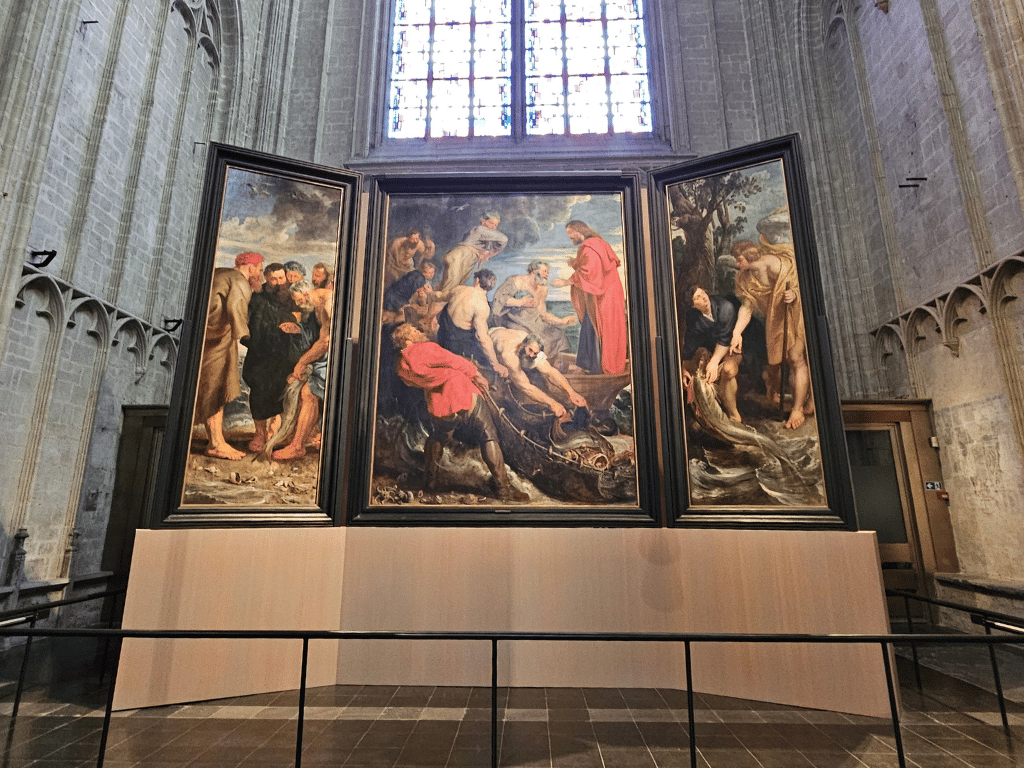
When I started researching art in Mechelen, I discovered the Flemish Masters in Situ program and immediately found the concept fascinating. Most of us experience great artworks in books, galleries, or museums. While that makes perfect sense from a preservation perspective, it often removes the work from the environment it was originally created for. Flemish Masters in Situ reconnects visitors with artworks that can still be viewed in their intended locations.
We visited several sites throughout the city (see the map), but the standout for me was the Church of Our Lady across the Dijle (Onze-Lieve-Vrouw-over-de-Dijlekerk). On the map, it appeared to be a stop for a notable Rubens painting. In reality, it delivered much more.
The church is the second-largest church in Mechelen, built in Brabantine Gothic style more than 600 years ago. (The largest is St. Rumbold's Cathedral.) We also had a chat, in very broken English, with one of the friendly church volunteers, who pointed us towards the Rubens. The Miraculous Draught of Fishes, commissioned around 1620 by the local fishmongers' guild, is genuinely stunning. If you enjoy Rubens' work, this will absolutely be your jam.
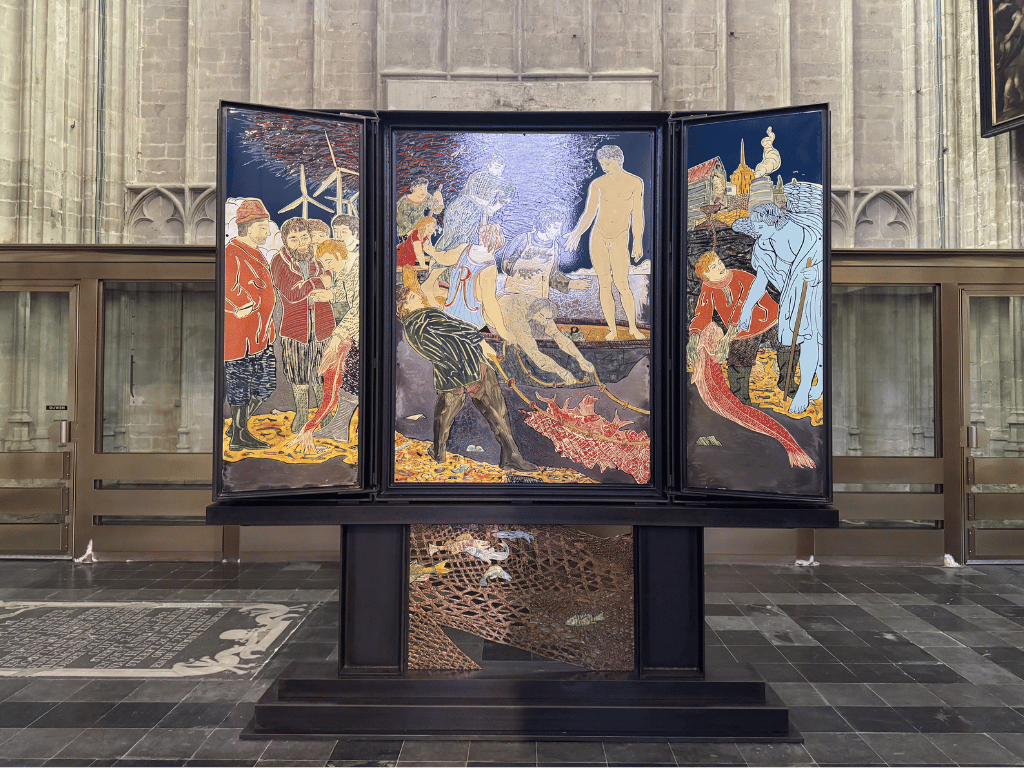
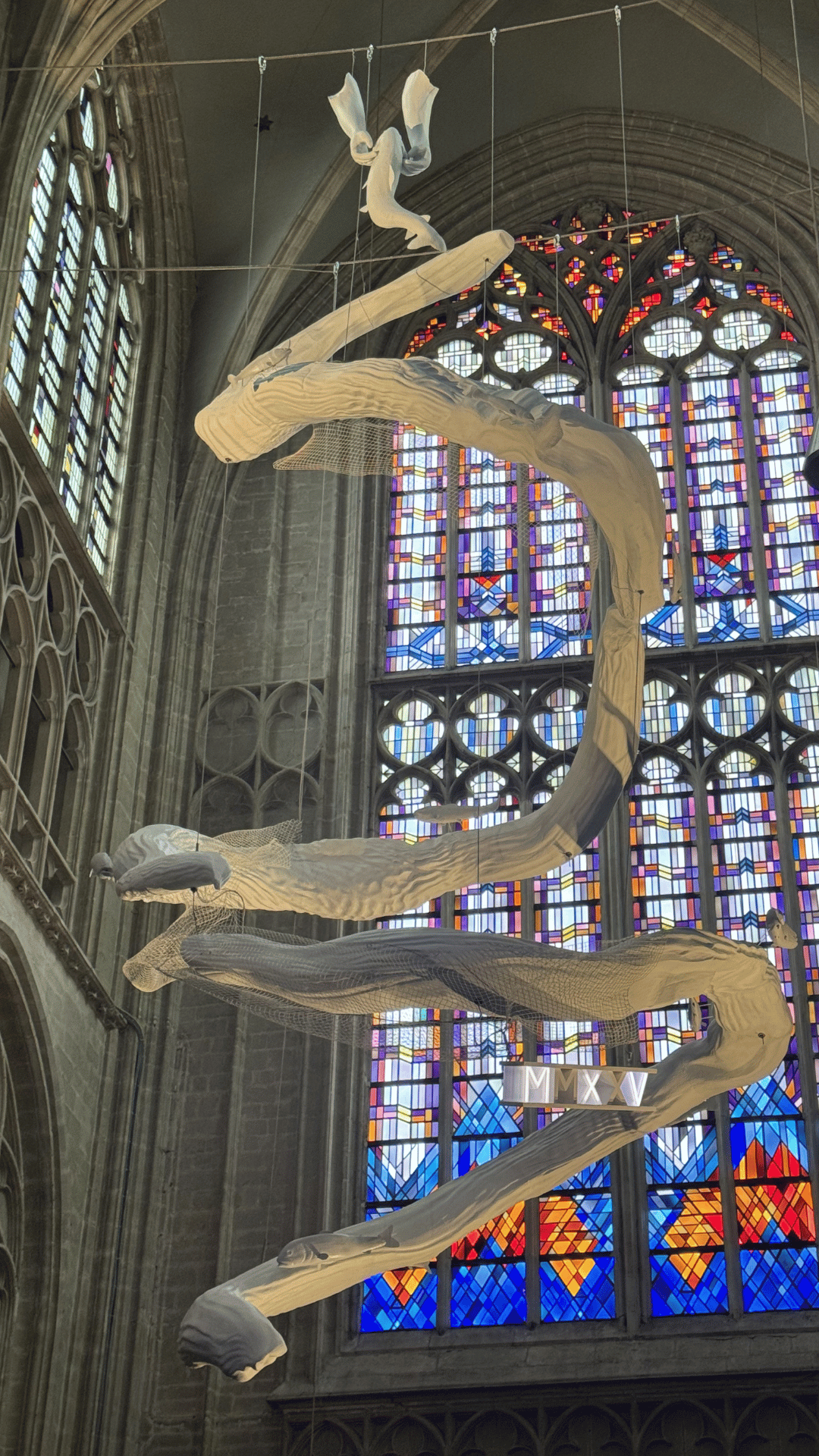
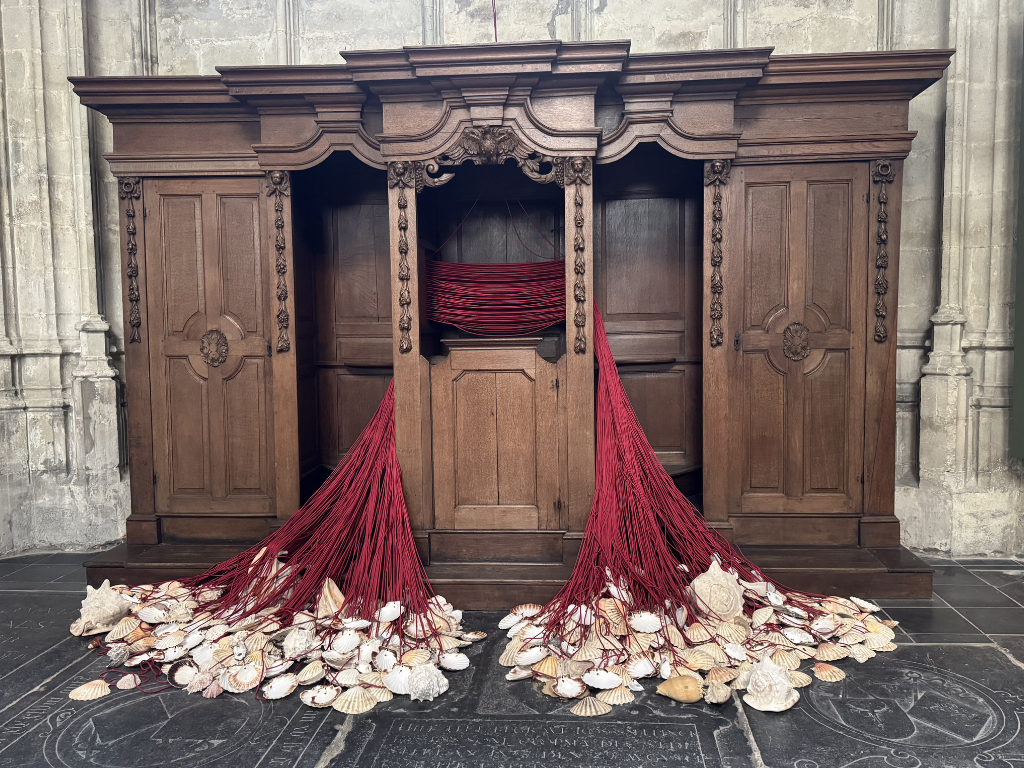
What surprised me most, however, was that the church didn't stop with its historic masterpiece. In recent years it has commissioned contemporary artists to create responses inspired by the painting. These include a winged altarpiece of enamel on steel by German artist Moritz Götze and Dutch artist Mickey Yang's MMXXV installation, suspended high above visitors' heads. They could easily have rested on their Rubens laurels, but it was inspiring to see contemporary artists engaging with the work and adding new layers to the space.
And this was only one of the sites we visited that day. Across Mechelen you can see works by Rubens, Jan and Gaspard van den Steen, van Dyck, and others in their original locations. If you're interested in seeing Flemish art in its original setting, the Flemish Masters in Situ website has maps, background information, and details on other cities across Belgium.
A very distinct beer
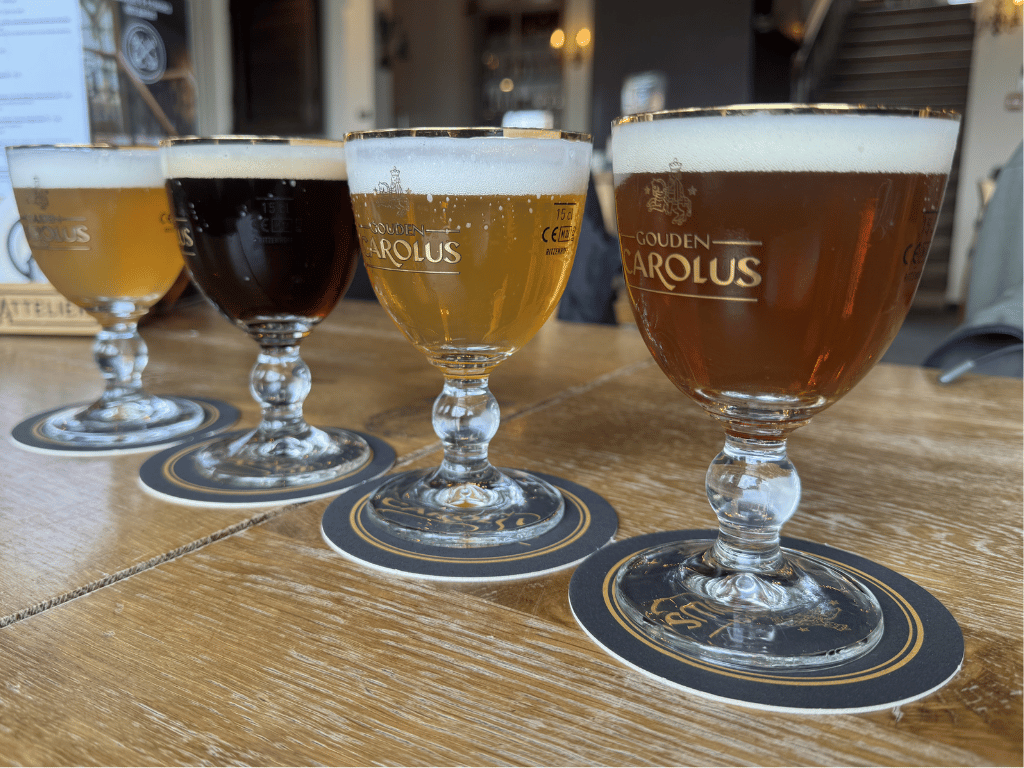
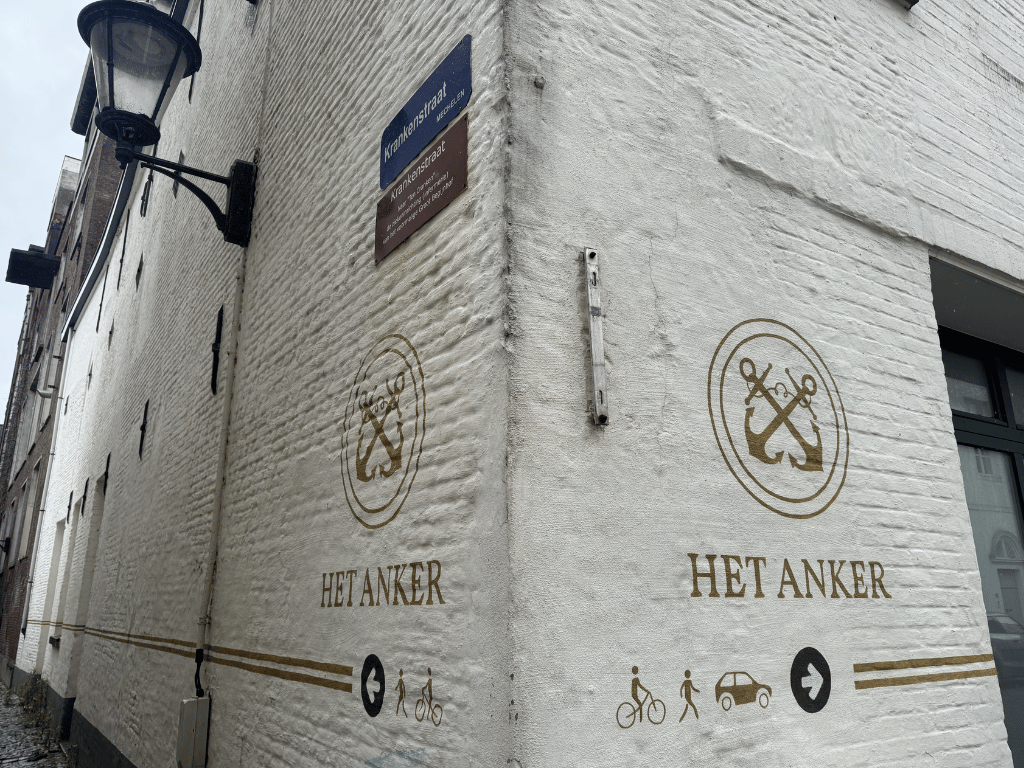
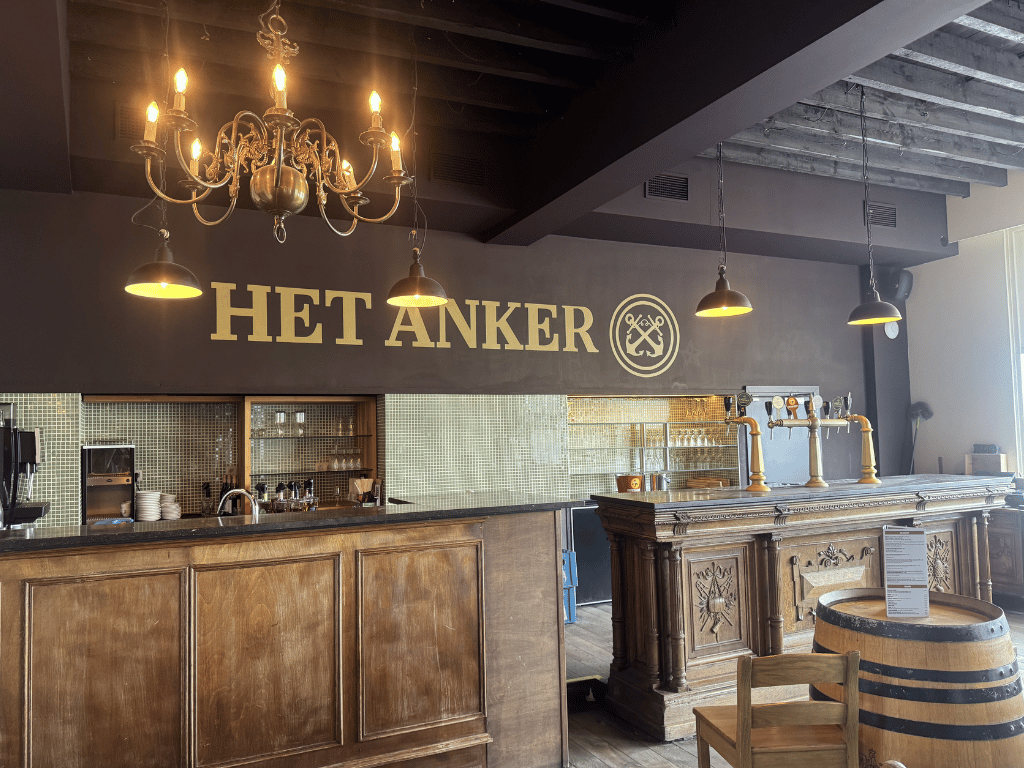
Mechelen's signature beer is Gouden Carolus, brewed by the historic Het Anker Brewery. Dating back to 1471, Het Anker is one of Belgium's oldest breweries. We arrived a little too early for lunch, but fortunately the bar was already open. We ordered a tasting paddle featuring several Gouden Carolus beers and got stuck in.
First brewed in 1491, Gouden Carolus translates to "Golden Charles", a reference to Emperor Charles V. We sampled the Classic, Tripel, Ambrio, and Hopsinjoor. In classic Belgian fashion, they all sat at 8% ABV or higher. I particularly enjoyed the Ambrio, though I've always had a soft spot for reds.
Local lore
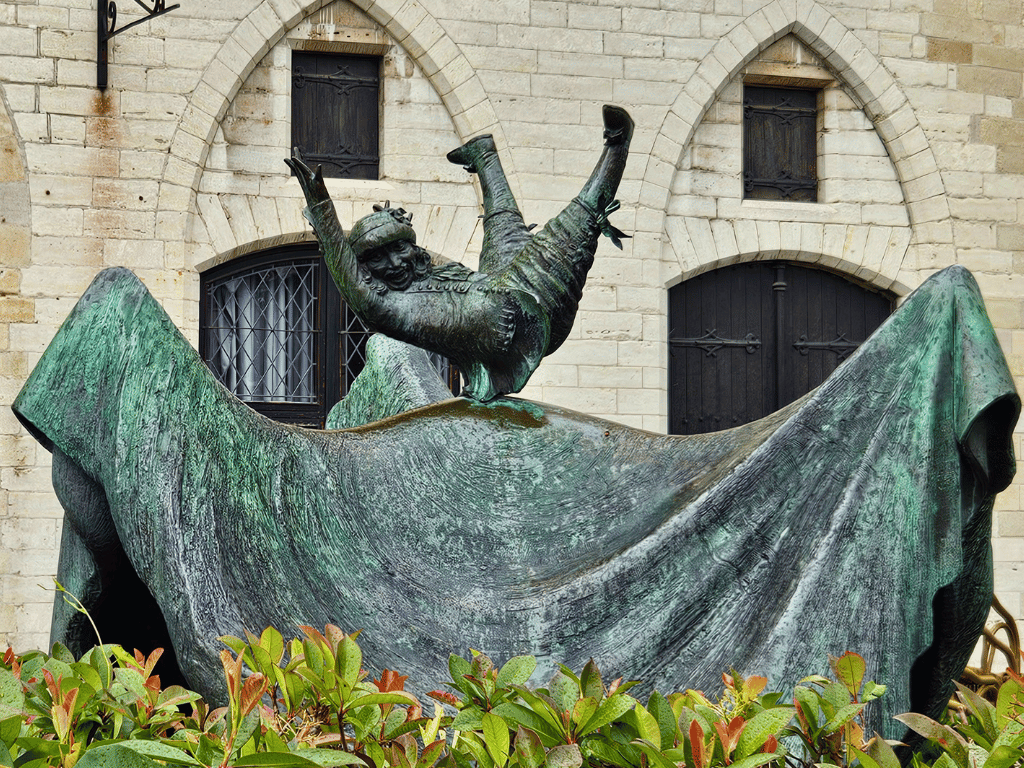
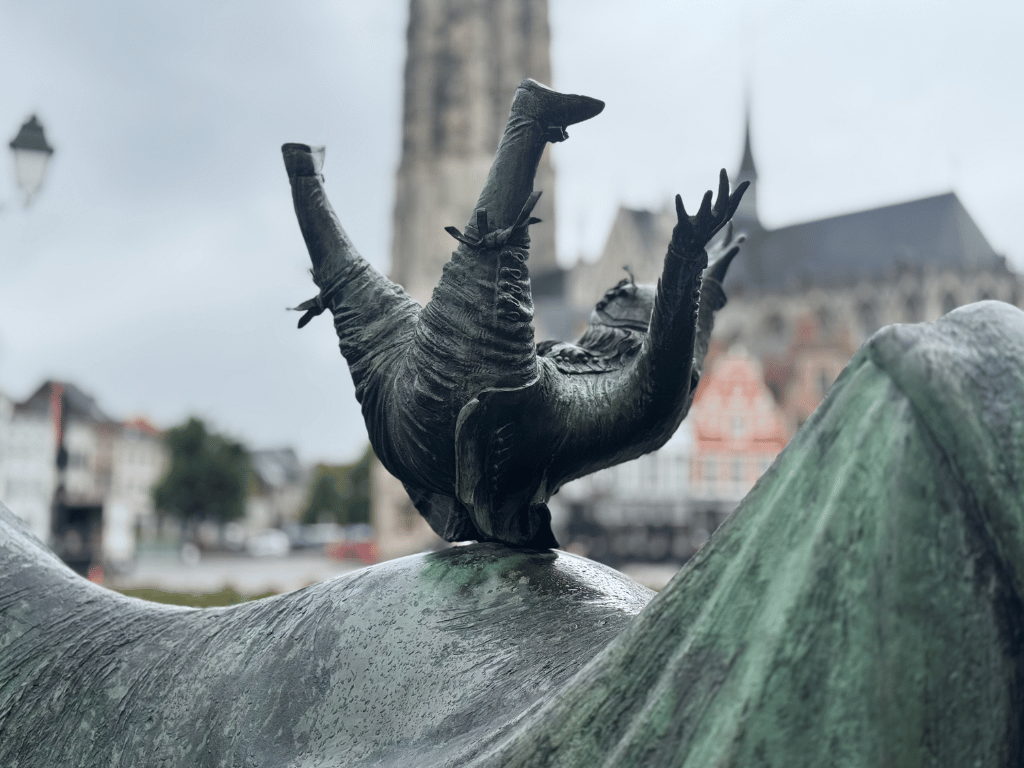
While wandering through Mechelen's central market square, we came across an unusual statue. It appeared to depict a man being tossed into the air on a blanket. This, it turns out, was Opsinjoorke, Mechelen's famous mascot. As the story goes, Opsinjoorke is a fictional drunkard who mistreats his wife. As punishment, his neighbours tossed him into the air on a linen sheet. The activities of throwing a wooden doll representing Opsinjoorke is recreated at parades and festivals in Mechelen. The character has become one of the city's best-known symbols, and once you know to look for him, he seems to appear everywhere.
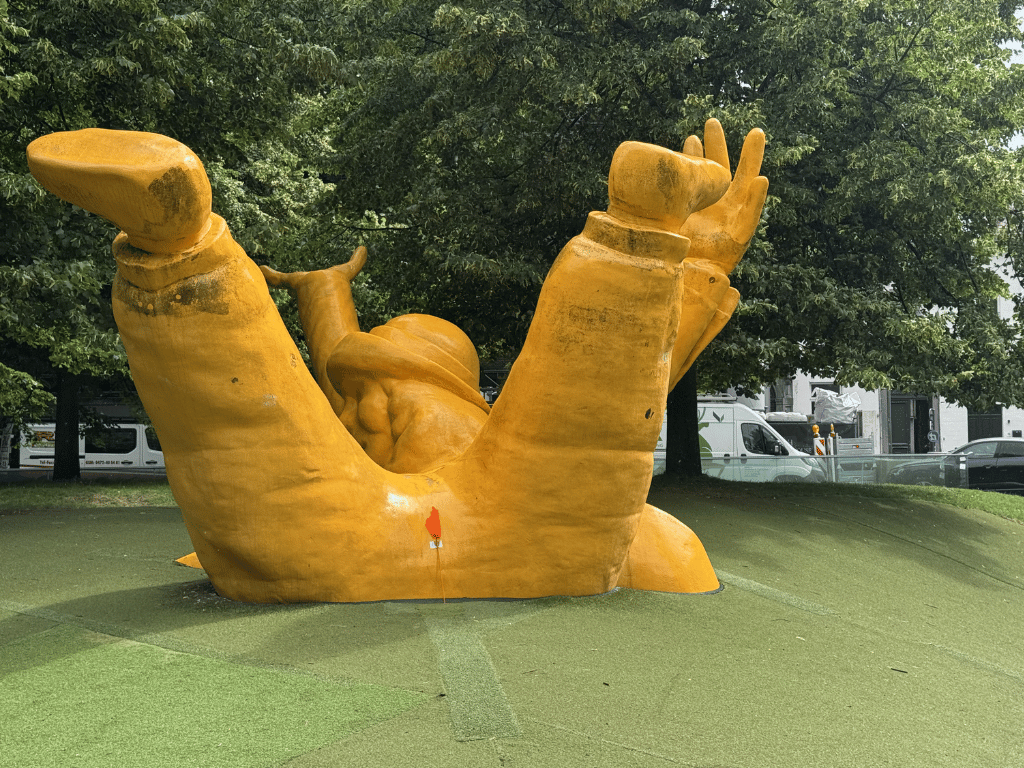
We spotted him again later in the day as a giant yellow sculpture where a group of people appeared to be playing an impromptu round of mini gol , using Opsinjoorke's rather strategically positioned backside as the hole. Maybe this was our interaction with the Flemish ‘zwanze’ humour.
Summing Up
Would I recommend adding Mechelen to a Brussels itinerary? Absolutely. Is a half day enough? Well, upon reflection, I wished we had spent a whole day in Mechelen. There were parts of the city we missed and by the end, it was a bit rushed. Next time.
Many of us rush between Brussels, Bruges, Ghent and Antwerp, and for good reason. Mechelen sits quietly in the middle, making it one of Belgium's easiest and most rewarding day trips This day trip from Brussels offers a mix of history, Flemish art, distinctive Belgian beer, and a noticeably slower pace than the capital. Whether you're interested in medieval architecture, seeing masterpieces in their original settings, or simply enjoying a beer at one of Belgium's oldest breweries, Mechelen packs a surprising amount into a compact and walkable city.
Map
TLDR
Take the S1 train from Brussels, then its a short walk to the town centre
The town is about 20 minute walk from one end to the other
The churches are mostly free to enter, donations are obviously encouraged - check out the the Flemish Masters in Situ for places to visit
Check each church’s opening hours, some don’t open until after 1pm
The cafe at Het Anker Brewery is a popular lunch spot, secure your table early
