

One thing I’ve been overthinking: Getting from the airport to the hotel
It’s not the flights.
It’s not the packing.
It’s not even the itinerary.
It’s what happens in that strange, slightly disorienting space right after you land.
You know that moment. You’ve just stepped off a long flight. You’re tired, a little foggy, your phone battery is looking questionable, and now you’re expected to… navigate a brand new city?
Find transport. Understand the system. Work out directions. Make decisions.
Immediately.
I’ve written before about how much we do like to take public transportation in a new area. (hell, I even wrote a trivia game about transit cards) It’s is a more sustainable way to travel, you get to know a lot about a city (have you heard that jingle they play in the Seoul stations?) and I do like taking home the metro card as a souvenir. But when I’m jet-lagged and in desperate need of a shower? Not so much fun
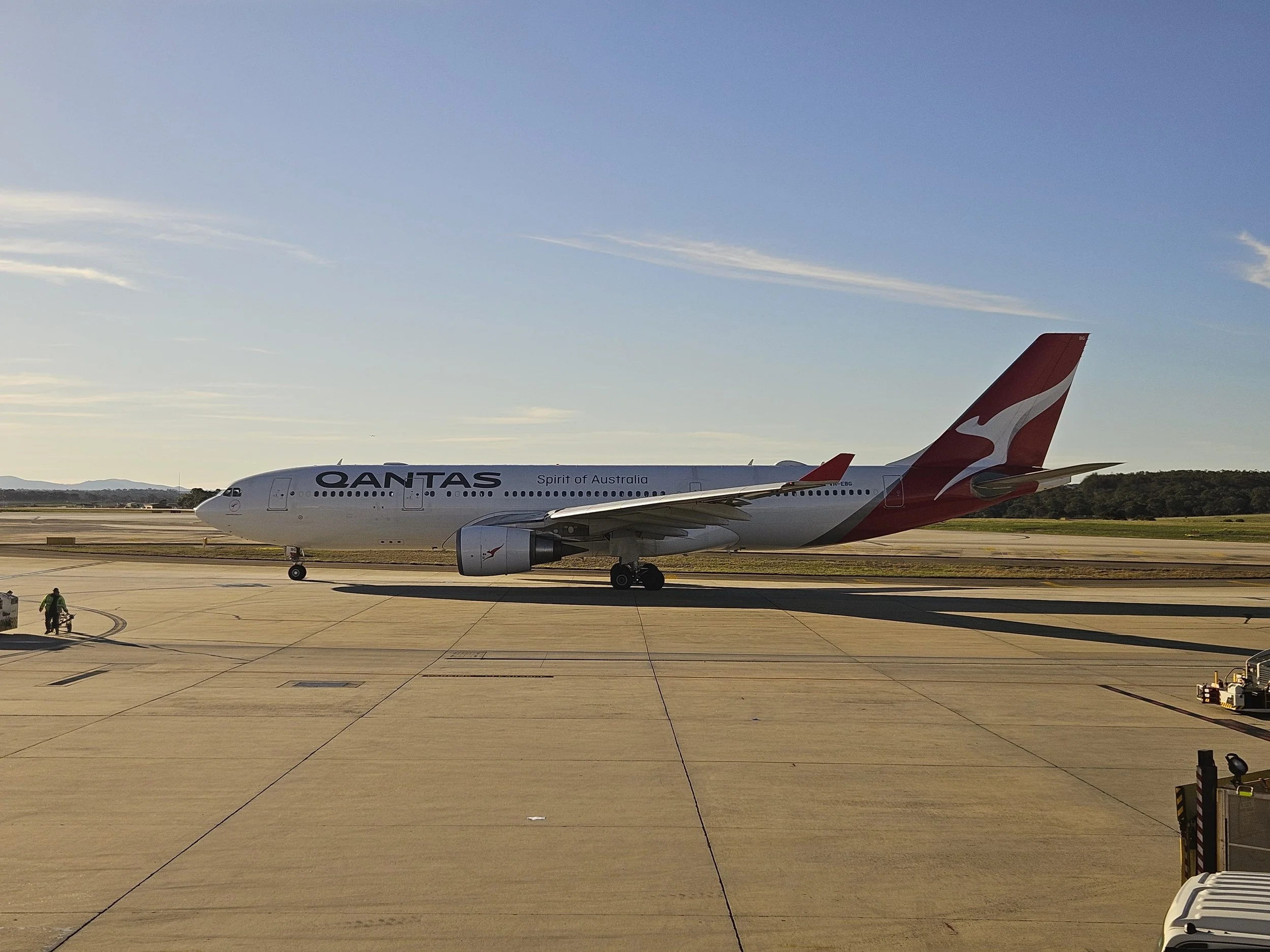
So yes, I made a spreadsheet
This all started because as we we planning this big trip, I realised I didn’t want to be making decisions in that hazy arrival moment. So, of course, I started spreadsheet mapping out how we’re getting from each airport (or arrival point) to each hotel. Because, have you met me? (ok, you probably haven’t, but I’ve been writing about how I do like to do research and organise things)
This is not in a “perfect, optimised route” kind of thing. More in a:
What’s the default plan?
What’s the backup if we’re tired, delayed, or just over it?
How complicated is this likely to feel after a long travel day?
The spreadsheet includes things like: the dates of our stay, how we arrive (airport, train, etc), the hotel name and booking number, the hotel address and a link to a google map, the local phone number, and finally the amount of time it will take to get from the arrival location to the accommodation. I’m thinking about adding more detailed information about the public transportation pathway (which train, line, etc) but that’s a nice to have for now.
This isn’t really about transport
The more I worked on it, the more I realised this isn’t about finding the best route. It’s about reducing friction.
It’s about not having to:
Compare five options while standing in an airport
Rely on patchy airport Wi-Fi
Make decisions while tired, hungry, and trying to locate my luggage
I don’t need the perfect route. I need the one I can follow when I’m exhausted, possibly offline, and not in the mood to problem-solve. AND something I can print out and have should our phones run out of juice.
The unexpected bonus
Here’s where it got interesting. As a side effect of building this spreadsheet, I now have a clean, complete list of every hotel we’re staying in… with full addresses and phone numbers.
Which means when we hit those inevitable arrival cards asking, “Where will you be staying?”…I’m not waiting for the plane to land, trying to remember the name of a hotel I booked six months ago. Because there is always that form. Asking for very specific details you absolutely knew at some point in your life but can’t recall from the middle seat after an 8 hour flight.
Now, I’ve effectively got a copy-and-paste-ready answer
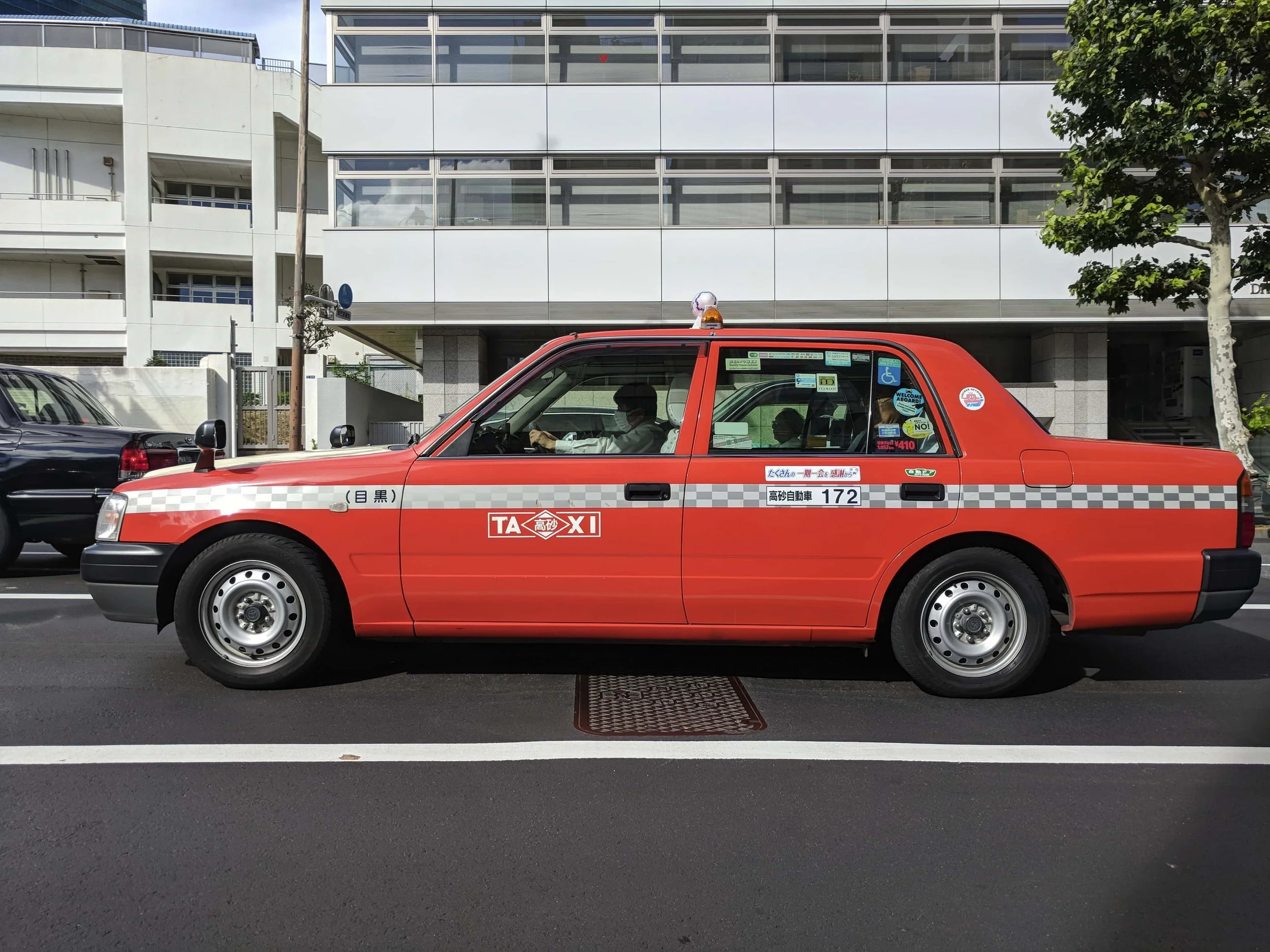
A very small system that does a lot
What started as “how do we get from the airport to the hotel?” has turned into something more useful:
A plan for arrival day when we are overwhelmed
Built-in backup options
A ready reference for addresses
Something I can access offline
Or, put more simply: Here’s a small system inspired by my anxiety that makes travel smoother in multiple ways.
Future me will decide if this was worth it
There is every chance that at some point on our upcoming trip, I will just ignore the spreadsheet completely and just follow Google Maps. But even then, it’s done its job. I won’t be starting from zero.
Yes, I do have a propensity for over preparing, and yes, I do love a spreadsheet too. But the exercise of having thought through this through has helped to calm my anxious brain and it really helped me identify those airports where public transport is definitely not an option, especially for the time of day we arrive.
Maybe down the line a will report back if I actually found this exercise helpful or not.
